National Security Briefing 2026: Top 5 Threats & Government Response
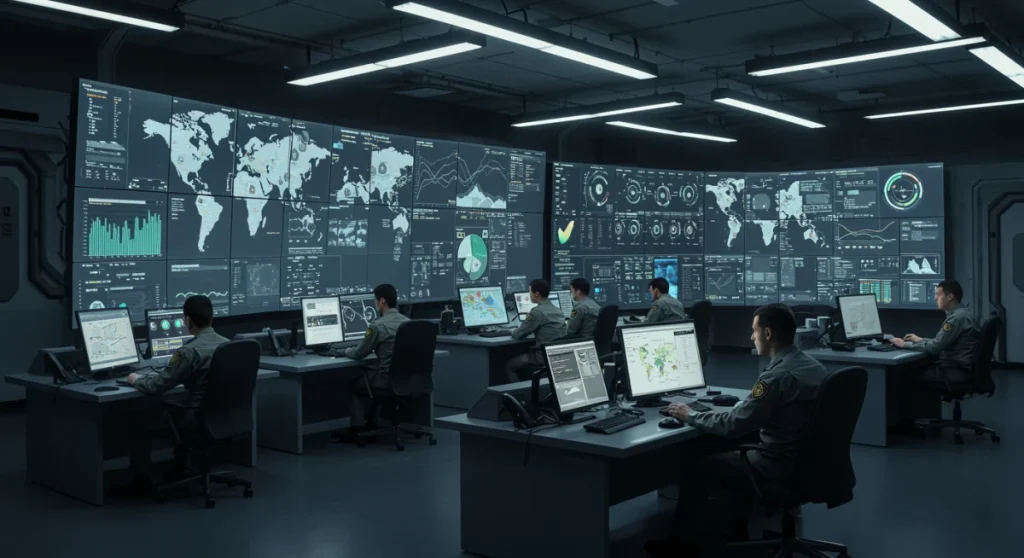
The National Security Briefing 2026 identifies five critical threats, including sophisticated cyberattacks and rising geopolitical tensions, and outlines the U.S. government’s proactive and adaptive measures to enhance resilience and protect national interests.
As we navigate the complexities of the mid-2020s, the National Security Briefing 2026: Top 5 Threats Identified – How the Government is Responding Over the Next 12 Months provides a crucial roadmap for understanding the evolving dangers facing the United States. This comprehensive overview delves into the most pressing challenges and illuminates the strategic actions being taken to safeguard the nation’s future.
The Evolving Landscape of Global Threats
The geopolitical and technological spheres are in constant flux, creating new vulnerabilities and exacerbating existing ones. Understanding this dynamic landscape is the first step towards effective national security. The threats we face today are often interconnected, requiring a multi-faceted and adaptive response from government agencies and international partners.
In 2026, the traditional notions of warfare and national defense have expanded significantly. Adversaries no longer rely solely on conventional military might; they leverage digital infrastructure, economic pressure, and even biological agents to achieve their objectives. This shift demands a more agile and integrated approach to security planning and execution.
Cyber Espionage and Critical Infrastructure Attacks
One of the most insidious threats is the persistent and evolving nature of cyber warfare. State-sponsored actors and sophisticated criminal organizations continually probe for weaknesses in vital systems. These attacks can cripple essential services, compromise sensitive data, and erode public trust.
- Infrastructure Vulnerabilities: Energy grids, water treatment facilities, and financial networks remain prime targets for disruption.
- Data Breaches: Theft of intellectual property, personal information, and classified government data poses significant economic and strategic risks.
- Disinformation Campaigns: Cyber tools are increasingly used to spread false narratives, sow discord, and influence public opinion, undermining democratic processes.
The government’s response involves not only bolstering defensive capabilities but also developing robust offensive strategies to deter and neutralize threats before they materialize into full-scale attacks. This includes international cooperation to establish norms of behavior in cyberspace.
Geopolitical Instability and Great Power Competition
The resurgence of great power competition continues to reshape the international order, leading to increased geopolitical instability. Nations are vying for influence through economic leverage, military posturing, and ideological clashes, creating flashpoints in various regions across the globe.
This competition is not limited to traditional military domains; it extends into economic, technological, and diplomatic arenas. The strategic implications for the United States involve navigating complex alliances, countering aggressive expansionism, and protecting democratic values worldwide.
Regional Conflicts and Proxy Wars
Several regions remain volatile, with ongoing conflicts and the potential for escalation. These situations often draw in external actors, turning local disputes into proxy battlegrounds for larger geopolitical rivalries. The humanitarian and strategic costs of such conflicts are immense.
The government is actively engaged in diplomatic efforts to de-escalate tensions and promote peaceful resolutions, while simultaneously maintaining a strong military presence to protect U.S. interests and support allies. This dual approach seeks to prevent conflicts from spiraling out of control.
Economic Coercion and Supply Chain Vulnerabilities
Economic power is increasingly used as a tool of statecraft. Adversaries employ tactics such as tariffs, sanctions, and control over critical resources to exert pressure and undermine economic stability. This highlights the fragility of global supply chains and the need for diversification.
- Critical Resource Dependence: Reliance on single sources for essential minerals, technologies, and manufacturing components creates strategic vulnerabilities.
- Trade Disputes: Escalating trade wars can disrupt global markets, harm domestic industries, and strain international relations.
- Technological Decoupling: Efforts by some nations to create independent technological ecosystems pose challenges to global innovation and interoperability.
To counter economic coercion, the U.S. government is focusing on strengthening domestic manufacturing, diversifying supply chains, and forging stronger economic partnerships with trusted allies. This aims to build resilience against external economic pressures.
Climate Change as a National Security Multiplier
While often viewed as an environmental issue, climate change is unequivocally a national security concern. Its impacts – from extreme weather events to resource scarcity – act as threat multipliers, exacerbating existing vulnerabilities and creating new challenges for stability and security.
The Pentagon and intelligence agencies have long recognized climate change as a significant factor in future conflict scenarios. Its effects can displace populations, fuel resource wars, and undermine economic stability, all of which have direct implications for U.S. national interests and military operations abroad.
Resource Scarcity and Mass Migration
Changing weather patterns lead to droughts, floods, and agricultural failures, intensifying competition for dwindling resources like water and arable land. This scarcity can trigger internal displacement and cross-border migration, creating humanitarian crises and potential for conflict.
The government is investing in resilience strategies both domestically and internationally, supporting climate adaptation efforts in vulnerable regions to mitigate the security risks associated with resource scarcity and mass population movements.
Infrastructure Resilience and Disaster Response
Extreme weather events pose direct threats to critical infrastructure, military bases, and coastal communities within the United States. Preparing for and responding to these events requires significant resources and coordinated efforts across federal, state, and local levels.
Efforts include hardening infrastructure, improving early warning systems, and enhancing the capabilities of first responders. The goal is to minimize damage, accelerate recovery, and ensure continuity of essential services during and after climate-related disasters.
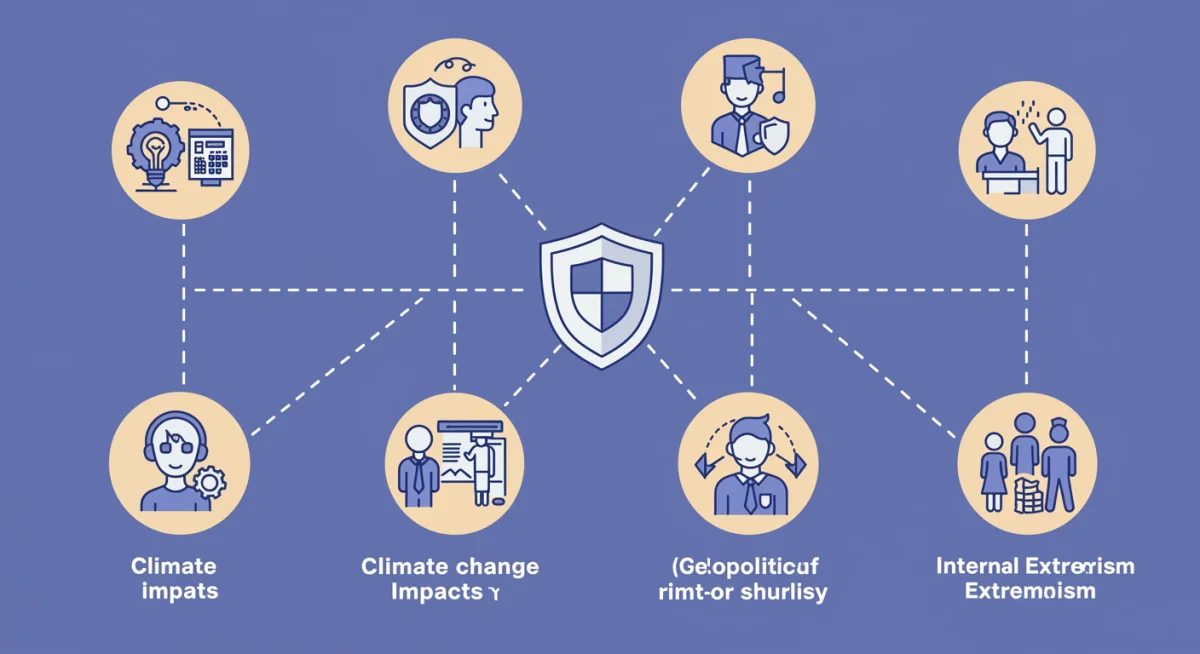
The Persistent Threat of Terrorism and Violent Extremism
Despite significant efforts, terrorism and violent extremism remain a potent threat, both from international organizations and domestic actors. The nature of these threats continues to evolve, with groups leveraging new technologies and ideologies to recruit, plan, and execute attacks.
The fight against terrorism is a continuous process that requires intelligence gathering, law enforcement action, and community engagement. Preventing radicalization and disrupting plots before they materialize are paramount to protecting the homeland.
Transnational Terrorist Networks
Groups like ISIS and Al-Qaeda, though weakened, still pose a global threat, adapting their tactics and expanding their reach through online propaganda and decentralized operations. Their ability to inspire or direct attacks from afar remains a key concern.
The U.S. government continues to work with international partners to dismantle these networks, share intelligence, and build counter-terrorism capabilities. This includes targeting their financing, communication channels, and recruitment efforts.
Domestic Violent Extremism
A growing concern is the rise of domestic violent extremism, fueled by ideological grievances, conspiracy theories, and social polarization. These groups pose a direct threat to democratic institutions, public safety, and national unity.
- Ideological Radicalization: Online platforms facilitate the spread of extremist narratives, leading to self-radicalization among individuals.
- Targeted Violence: Attacks motivated by political, racial, or religious hatred are increasingly common, impacting communities across the nation.
- Threats to Democratic Processes: Extremist groups can attempt to disrupt elections, intimidate officials, and undermine public trust in governance.
Responding to domestic extremism involves a multi-pronged approach, including law enforcement investigations, community outreach programs, and efforts to counter online radicalization. Protecting civil liberties while ensuring national security is a delicate balance.
Emerging Technologies and Their Dual-Use Potential
Rapid advancements in emerging technologies present both incredible opportunities and significant risks to national security. Innovations in artificial intelligence, biotechnology, quantum computing, and space technology have dual-use potential, meaning they can be leveraged for both beneficial and malicious purposes.
The race to develop and control these technologies is a key aspect of great power competition. Ensuring U.S. leadership in these fields while mitigating the risks of their misuse is a central challenge for national security planners.
Artificial Intelligence and Autonomous Systems
AI’s potential for military applications, from autonomous weapons systems to advanced surveillance, raises ethical and strategic questions. The development of AI by adversaries could fundamentally alter the nature of warfare and intelligence gathering.
The government is investing heavily in AI research and development, establishing ethical guidelines, and working with allies to ensure responsible innovation. This includes efforts to maintain a technological edge while preventing destabilizing AI arms races.
Biotechnology and Biosecurity Risks
Advances in genetic engineering and synthetic biology offer breakthroughs in medicine and agriculture but also present the risk of intentional misuse, such as the development of novel biological weapons or engineered pathogens.
- Pandemic Preparedness: The lessons from recent global health crises underscore the need for robust biodefense capabilities and rapid response mechanisms.
- Gain-of-Function Research: The dual-use nature of certain biological research demands stringent oversight and international cooperation to prevent accidental release or deliberate misuse.
- Bioweapon Proliferation: The potential for state or non-state actors to develop advanced biological weapons requires enhanced intelligence and counter-proliferation efforts.
To address biosecurity risks, the U.S. government is strengthening its biodefense posture, investing in early detection systems, and collaborating globally on disease surveillance and vaccine development. This holistic approach aims to protect against natural and engineered biological threats.
Government’s Strategic Responses Over the Next 12 Months
Recognizing the multifaceted nature of these threats, the U.S. government is implementing a comprehensive and adaptive strategy over the next 12 months. This involves significant investments in technology, intelligence, diplomacy, and military readiness, all aimed at enhancing national resilience and projecting strength.
The approach is characterized by increased interagency coordination, stronger international partnerships, and a focus on both defensive and proactive measures. The goal is not merely to react to threats but to anticipate and shape the strategic environment.
Strengthening Cyber Defenses and Offensive Capabilities
A top priority is reinforcing the nation’s digital infrastructure. This includes upgrading government networks, promoting cybersecurity best practices in the private sector, and expanding the capacity of cyber command units to deter and respond to attacks.
Significant resources are being allocated to develop advanced cyber tools and train a new generation of cyber warriors. The strategy also emphasizes information sharing between government and critical industries to create a unified front against cyber adversaries.
Enhancing Global Alliances and Diplomatic Engagement
Diplomacy remains a cornerstone of national security. The government is actively strengthening alliances with key partners, participating in multilateral forums, and engaging in direct dialogue with rival nations to manage tensions and find common ground on global challenges.
This includes renewed focus on NATO, Indo-Pacific partnerships, and collaborative efforts on issues like climate change and pandemic preparedness. The aim is to build a coalition of nations committed to a stable and rules-based international order.
Investing in Next-Generation Technologies
To maintain a strategic advantage, substantial investments are being made in cutting-edge research and development across critical technological domains. This includes funding for AI, quantum computing, advanced materials, and space capabilities.
The strategy also involves fostering public-private partnerships to accelerate innovation and ensure that these technologies are developed and deployed responsibly, with appropriate safeguards against misuse. Protecting intellectual property and promoting secure supply chains for these technologies are also key.
Bolstering Domestic Resilience and Preparedness
National security begins at home. The government is enhancing programs to counter domestic extremism, improve disaster preparedness, and build community resilience. This involves better intelligence sharing with local law enforcement and targeted interventions to prevent radicalization.
Investments in climate-resilient infrastructure and public health systems are also part of this effort, ensuring the nation can withstand and recover from a wider range of shocks, whether natural disasters or deliberate attacks.
Reforming Intelligence Gathering and Analysis
To stay ahead of evolving threats, intelligence agencies are undergoing significant modernization. This includes adopting advanced analytics, leveraging AI for data processing, and improving human intelligence capabilities to gain deeper insights into adversary intentions and capabilities.
The focus is on providing timely, accurate, and actionable intelligence to policymakers, enabling informed decision-making in a rapidly changing global environment. Ethical considerations and privacy protections are central to these reforms.
| Key Threat | Government Response Focus |
|---|---|
| Cyber Warfare | Enhanced defenses, offensive capabilities, public-private partnerships. |
| Geopolitical Instability | Strengthening alliances, diplomatic engagement, economic resilience. |
| Climate Change | Infrastructure resilience, disaster response, international adaptation. |
| Emerging Technologies | R&D investment, ethical guidelines, counter-proliferation. |
Frequently Asked Questions About National Security in 2026
The top five threats include advanced cyber warfare, increasing geopolitical instability and great power competition, the amplifying effects of climate change, persistent terrorism and violent extremism (both domestic and international), and the dual-use potential and risks of emerging technologies like AI and biotechnology.
Over the next year, the government plans to strengthen critical infrastructure defenses, develop advanced offensive cyber capabilities, and foster public-private partnerships. This comprehensive approach aims to deter attacks, swiftly respond to incidents, and secure vital digital systems against state-sponsored and criminal actors.
Climate change acts as a significant threat multiplier, exacerbating resource scarcity, driving mass migration, and increasing the frequency of extreme weather events. These impacts create instability, strain infrastructure, and can fuel conflicts, directly affecting U.S. national interests and military readiness.
Absolutely. Domestic violent extremism, fueled by ideological grievances and online radicalization, is a growing concern. These threats can undermine democratic institutions and public safety, requiring a multi-pronged response alongside efforts to counter transnational terrorist networks. Both are critical components of national security.
The government is strategically investing in research and development for AI, quantum computing, and biotechnology, while simultaneously establishing ethical guidelines and counter-proliferation measures. The goal is to maintain technological leadership, mitigate dual-use risks, and ensure responsible innovation in these transformative fields.
Conclusion
The National Security Briefing 2026: Top 5 Threats Identified – How the Government is Responding Over the Next 12 Months underscores a period of profound global change and persistent challenges. From the invisible battlefields of cyberspace to the tangible impacts of climate change, the threats facing the United States are complex, interconnected, and demand a dynamic, forward-thinking response. The government’s comprehensive strategy, encompassing technological innovation, diplomatic engagement, enhanced defense capabilities, and robust domestic resilience, reflects a commitment to safeguarding national interests and ensuring the security and prosperity of its citizens. As these strategies unfold over the coming year, their effectiveness will depend on continuous adaptation, strong alliances, and an unwavering focus on protecting the nation against an ever-evolving spectrum of risks.