Infrastructure Bill Update: $500 Billion Allocated for National Projects by 2026
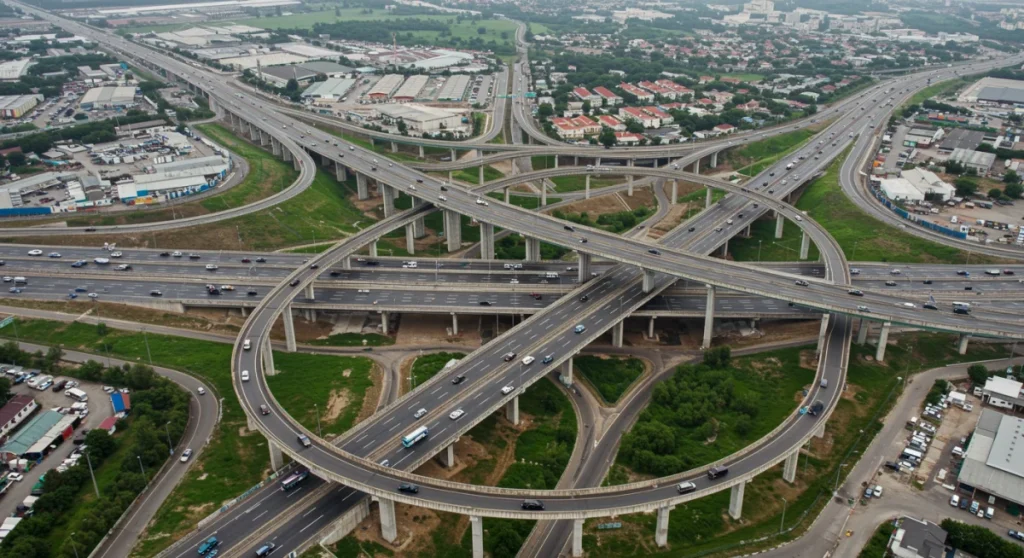
The latest infrastructure bill update has committed an unprecedented $500 billion towards national projects by 2026, marking a significant investment in modernizing America’s foundational systems and stimulating economic growth across various sectors.
The recent infrastructure bill update, allocating a staggering $500 billion for national projects by 2026, represents a monumental commitment to revitalizing America’s aging infrastructure. This isn’t just about fixing roads; it’s a comprehensive plan designed to touch nearly every aspect of daily life, from how we commute to how we access information and power our homes. What exactly does this mean for communities across the United States, and how will these funds be strategically deployed to achieve lasting impact?
Understanding the Infrastructure Investment and Jobs Act
The Infrastructure Investment and Jobs Act (IIJA), often referred to as the Bipartisan Infrastructure Law, marks one of the most substantial investments in American infrastructure in decades. This landmark legislation is designed to address long-standing deficiencies in the nation’s physical and digital backbone, ensuring that the United States remains competitive on a global scale. Its scope is broad, encompassing everything from traditional infrastructure like roads and bridges to next-generation necessities such as broadband internet and clean energy initiatives. The commitment of $500 billion by 2026 signifies an aggressive timeline for project initiation and completion, aiming to deliver tangible results within a relatively short period.
This massive allocation isn’t simply a one-time injection of funds; it’s a strategic effort to create jobs, foster economic resilience, and improve the quality of life for all Americans. The law emphasizes not only repair and maintenance but also innovation and future-proofing, preparing the country for environmental challenges and technological advancements. Understanding the nuances of this act is crucial for grasping its potential impact on local economies and the daily experiences of citizens.
Key Pillars of the IIJA Funding
The IIJA’s funding is strategically divided across several critical areas, reflecting a holistic approach to infrastructure development. These pillars are designed to address immediate needs while also laying the groundwork for sustainable growth.
- Transportation: A significant portion targets roads, bridges, public transit, rail, and ports, aiming to improve safety, reduce congestion, and enhance efficiency across all modes of transport.
- Water Infrastructure: Investments in water pipes, service lines, and wastewater treatment are crucial for ensuring clean drinking water and modernizing outdated systems prone to leaks and contamination.
- Broadband Internet: Expanding access to high-speed internet, especially in rural and underserved communities, is a priority to bridge the digital divide and foster economic opportunities.
- Power Grid and Clean Energy: Modernizing the electric grid, promoting renewable energy sources, and building electric vehicle charging stations are vital steps towards a more sustainable and resilient energy future.
- Resilience Projects: Funding for projects that protect communities from climate change impacts, such as extreme weather events, cybersecurity threats, and natural disasters, is also a key component.
The comprehensive nature of these investments underscores the government’s recognition that infrastructure is an interconnected system. Improvements in one area often have ripple effects, enhancing efficiency and safety across the entire network. This integrated strategy aims to maximize the return on investment and create a more robust national infrastructure.
Transportation: Rebuilding Roads, Bridges, and Public Transit
A cornerstone of the infrastructure bill update is the substantial investment in America’s transportation network. Decades of underfunding have left many roads, bridges, and public transit systems in a state of disrepair, leading to safety concerns, increased commute times, and economic inefficiencies. The $500 billion allocation addresses these critical issues head-on, aiming to modernize and expand transportation infrastructure nationwide. This involves not only repairing existing structures but also building new ones that can accommodate future growth and technological advancements.
The focus extends beyond just asphalt and concrete. Public transit systems, essential for urban mobility and reducing carbon emissions, are set to receive significant upgrades. This includes modernizing fleets, expanding routes, and improving accessibility for all users. The goal is to create a more integrated, efficient, and sustainable transportation ecosystem that serves the needs of a growing and dynamic population.
Impact on Commuters and Commerce
Improved transportation infrastructure has a direct and profound impact on both individual commuters and the broader economy. For daily travelers, it means safer roads, shorter commute times, and more reliable public transit options. This translates to less stress, more free time, and reduced vehicle wear and tear. For businesses, efficient transportation networks are vital for the movement of goods and services, directly influencing supply chains, operational costs, and overall competitiveness.
- Reduced Congestion: Modernized highways and expanded public transit options are expected to alleviate traffic bottlenecks, saving commuters time and fuel.
- Enhanced Safety: Repairing crumbling bridges and improving road conditions will significantly reduce accident risks, making travel safer for everyone.
- Economic Growth: Better transportation facilitates commerce, lowers shipping costs, and connects businesses to wider markets, stimulating local and national economies.
- Job Creation: The construction and maintenance of these projects will create numerous jobs, from skilled labor to engineering and project management roles.
The strategic investment in transportation is not merely about physical improvements; it’s about fostering economic dynamism and improving the daily lives of millions. By addressing these fundamental needs, the infrastructure bill update sets the stage for long-term prosperity and connectivity across the United States.
Bridging the Digital Divide: Expanding Broadband Access
In the 21st century, reliable access to high-speed internet is no longer a luxury but a fundamental necessity. The infrastructure bill update recognizes this, dedicating significant funds to expanding broadband access, particularly in rural and underserved areas. Millions of Americans still lack adequate internet connectivity, hindering their access to education, healthcare, economic opportunities, and civic engagement. This digital divide exacerbates existing inequalities and limits the potential for growth in many communities.
The allocated funds will support projects aimed at building out new broadband infrastructure, upgrading existing networks, and making internet services more affordable. This includes initiatives to lay fiber optic cables, deploy wireless solutions, and provide subsidies to low-income households. The goal is to ensure that every American, regardless of their geographic location or socioeconomic status, has access to the digital tools needed to thrive in an increasingly connected world.
Transforming Communities Through Connectivity
Broadband expansion has the potential to be a transformative force for communities across the nation. It opens up new avenues for economic development, allows for remote work and learning, and improves access to essential services. For small businesses, it means greater market reach and efficiency. For students, it ensures equitable access to educational resources. For healthcare, it enables telehealth services, bridging gaps in care for remote populations.
- Economic Opportunities: High-speed internet attracts new businesses, supports entrepreneurship, and allows existing businesses to expand their reach and efficiency.
- Educational Equity: Students in underserved areas gain equal access to online learning resources, homework support, and digital literacy tools.
- Improved Healthcare: Telehealth services become more viable, offering remote consultations, monitoring, and specialized care to those without easy access to medical facilities.
- Community Empowerment: Enhanced connectivity fosters civic engagement, allows for better access to government services, and strengthens community ties through digital platforms.
The investment in broadband is a commitment to a more inclusive and prosperous future. By addressing the digital divide, the infrastructure bill update aims to unlock the full potential of communities nationwide, ensuring that no one is left behind in the digital age.
Modernizing the Power Grid and Advancing Clean Energy
Another critical area benefiting from the infrastructure bill update is the nation’s power grid and its transition towards clean energy. The current electrical grid, much of which was built in the mid-20th century, is vulnerable to extreme weather events, cyberattacks, and increasing demand. Modernizing this complex system is essential for ensuring reliable power delivery and integrating renewable energy sources. The $500 billion allocation includes significant provisions for upgrading transmission lines, enhancing grid resilience, and promoting sustainable energy solutions.
This modernization effort is not just about reliability; it’s also about sustainability. The bill supports the expansion of renewable energy generation, such as solar and wind power, and the development of energy storage solutions. Furthermore, it includes funding for a nationwide network of electric vehicle charging stations, a crucial step towards accelerating the adoption of electric vehicles and reducing carbon emissions from the transportation sector.
Building a Resilient and Sustainable Energy Future
Investing in the power grid and clean energy infrastructure yields multiple benefits, from environmental protection to economic stability. A modernized grid is more resilient to disruptions, ensuring that homes and businesses have consistent access to power. The shift towards clean energy reduces reliance on fossil fuels, mitigating climate change and improving air quality. These initiatives also position the United States as a leader in renewable energy technology and innovation.
- Grid Reliability: Upgrades to transmission and distribution systems reduce power outages and improve the overall stability of the electrical grid.
- Environmental Benefits: Increased adoption of renewable energy sources lowers greenhouse gas emissions and combats climate change.
- Energy Independence: Reducing reliance on imported fossil fuels enhances national energy security and economic stability.
- Technological Innovation: Investments spur research and development in advanced energy technologies, creating new industries and job opportunities.
The infrastructure bill update’s focus on energy is a forward-looking strategy, preparing the nation for the challenges and opportunities of the 21st century. It’s an investment in a cleaner, more reliable, and more sustainable energy future for all Americans.
Water Infrastructure: Ensuring Clean and Safe Water for All
Access to clean, safe drinking water is a fundamental human right, yet many communities across the United States still contend with aging and contaminated water infrastructure. The infrastructure bill update dedicates substantial resources to addressing these critical issues, aiming to replace lead pipes, improve wastewater treatment facilities, and ensure the long-term sustainability of water resources. This investment is crucial for public health, environmental protection, and economic development.
The problem of lead service lines, in particular, poses a significant health risk, especially to children. The IIJA provides unprecedented funding to remove and replace these dangerous pipes, safeguarding communities from lead exposure. Beyond lead remediation, funds will also be directed towards upgrading water treatment plants, improving filtration systems, and modernizing distribution networks to prevent leaks and ensure consistent water quality. This comprehensive approach underscores a commitment to protecting public health and preserving vital natural resources.
Health, Environmental, and Economic Benefits
The modernization of water infrastructure brings a cascade of benefits that extend far beyond simply turning on the tap. Improved water quality directly impacts public health, reducing the incidence of waterborne diseases and protecting vulnerable populations. Environmentally, better wastewater treatment prevents pollution of rivers, lakes, and oceans, preserving ecosystems and biodiversity. Economically, reliable water systems are essential for industries, agriculture, and daily commerce, supporting growth and stability.
- Public Health Protection: Replacing lead pipes and improving treatment facilities directly reduces exposure to harmful contaminants, safeguarding community health.
- Environmental Preservation: Modern wastewater infrastructure prevents pollution, protecting aquatic ecosystems and ensuring cleaner natural water bodies.
- Economic Stability: Reliable access to clean water is vital for businesses, agriculture, and daily household needs, supporting economic activity and growth.
- Job Creation: Projects related to water infrastructure development and maintenance will create numerous jobs, contributing to local economies.
The commitment to water infrastructure through the infrastructure bill update is an investment in the health, environment, and economic vitality of American communities. It addresses a silent crisis that has long plagued many areas, ensuring a healthier and more sustainable future.
Economic Impact and Job Creation from Infrastructure Spending
The allocation of $500 billion through the infrastructure bill update is not merely an expenditure; it’s a strategic investment with far-reaching economic implications. Beyond the direct improvements to physical infrastructure, this massive spending initiative is expected to be a significant catalyst for job creation and sustained economic growth across various sectors. Economists widely agree that infrastructure investments have a high multiplier effect, meaning that every dollar spent generates more than a dollar in economic activity.
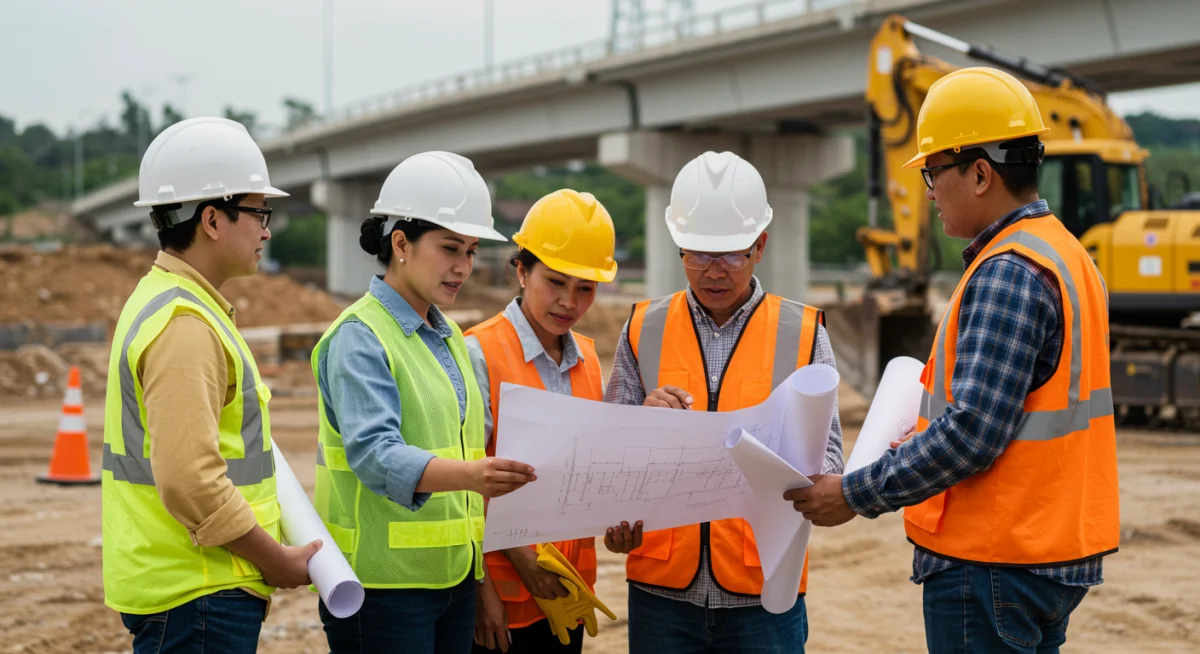
The projects funded by the IIJA will require a substantial workforce, ranging from engineers and project managers to skilled laborers in construction, manufacturing, and technology. This demand for labor will lead to new job opportunities, increased wages, and stimulated local economies. Furthermore, the long-term benefits of improved infrastructure—such as reduced transportation costs, enhanced productivity, and increased connectivity—will create a more favorable environment for businesses to thrive and innovate.
Direct and Indirect Economic Benefits
The economic impact of the infrastructure bill update can be categorized into direct and indirect benefits, both of which contribute to overall prosperity. Direct benefits are immediately visible, while indirect benefits emerge over time as the improvements take hold.
- Direct Job Creation: Thousands of jobs will be created in construction, manufacturing of materials, and related industries directly involved in building and repairing infrastructure.
- Increased Wages: Demand for skilled labor in these sectors can lead to higher wages and improved living standards for workers.
- Boost to Local Economies: Local businesses will benefit from increased spending on materials, equipment, and services required for projects, as well as from the increased purchasing power of workers.
- Enhanced Productivity: Better transportation, reliable utilities, and faster internet improve business efficiency, reducing operational costs and increasing overall economic output.
- Long-Term Competitiveness: Modern infrastructure makes the U.S. more attractive for business investment, fostering innovation and maintaining global competitiveness.
The infrastructure bill update represents a significant governmental effort to not only address critical infrastructure needs but also to strategically inject capital into the economy, promoting job growth and fostering a more robust and resilient economic future for the nation. This investment is poised to deliver both immediate and lasting economic advantages.
Challenges and Future Outlook for National Projects
While the infrastructure bill update presents an unprecedented opportunity for national development, its implementation is not without challenges. The sheer scale and complexity of coordinating projects across states, municipalities, and various agencies require robust planning, efficient resource allocation, and continuous oversight. Supply chain disruptions, rising material costs, and labor shortages are all potential hurdles that could impact the pace and cost-effectiveness of these initiatives. Ensuring that funds are spent wisely and projects are completed on time and within budget will be paramount to the success of the IIJA.
Looking ahead to 2026 and beyond, the success of this infrastructure investment will be measured not just by the number of completed projects, but by their lasting impact on communities, the economy, and the environment. It will require ongoing political will, collaborative efforts between public and private sectors, and adaptability to unforeseen circumstances. The framework established by this bill aims to create a more resilient, equitable, and sustainable nation for future generations.
Navigating Implementation Complexities
Effective implementation of such a massive undertaking demands careful attention to detail and proactive problem-solving. This includes streamlining regulatory processes, fostering innovation in construction techniques, and ensuring transparency in how funds are distributed and utilized.
- Inter-agency Coordination: Successful project delivery requires seamless collaboration between federal, state, and local government bodies.
- Workforce Development: Investing in training and apprenticeship programs is crucial to address potential labor shortages and ensure a skilled workforce.
- Sustainable Practices: Integrating environmentally friendly materials and construction methods will be vital for long-term sustainability.
- Equitable Distribution: Ensuring that funding reaches all communities, especially those historically underserved, is a key objective for equitable growth.
The infrastructure bill update sets a bold vision for America’s future. While challenges are inevitable, the strategic deployment of $500 billion for national projects by 2026 offers a transformative path towards a more modern, efficient, and resilient United States, impacting generations to come.
| Key Focus Area | Brief Description |
|---|---|
| Transportation | Modernizing roads, bridges, public transit, and rail systems to improve safety and efficiency. |
| Broadband Access | Expanding high-speed internet to underserved communities to bridge the digital divide. |
| Clean Energy & Grid | Upgrading the power grid and investing in renewable energy sources and EV charging infrastructure. |
| Water Infrastructure | Replacing lead pipes and modernizing water treatment facilities for clean and safe drinking water. |
Frequently Asked Questions About the Infrastructure Bill
The Infrastructure Investment and Jobs Act (IIJA) has allocated a significant $500 billion for national projects by 2026. This funding is part of a broader, multi-year investment aiming to modernize and improve various sectors of the nation’s infrastructure, ensuring long-term economic growth and public well-being.
The bill primarily targets transportation (roads, bridges, public transit), broadband internet expansion, modernization of the power grid and clean energy initiatives, and water infrastructure improvements (including lead pipe replacement). These areas were identified as critical for national development and resilience.
The infrastructure bill is expected to create thousands of jobs across various sectors, including construction, engineering, manufacturing, and technology. This investment will stimulate economic activity, leading to increased wages, new employment opportunities, and a boost to local economies nationwide as projects get underway.
A substantial portion of the funding is dedicated to expanding high-speed broadband internet access, especially in rural and underserved communities. This aims to ensure equitable access to education, healthcare, and economic opportunities for all Americans, fostering digital inclusion and community growth.
The long-term goals include enhancing national competitiveness, improving public safety and health, fostering economic resilience, and accelerating the transition to a clean energy future. The investment aims to build a more modern, sustainable, and equitable infrastructure system that serves the needs of current and future generations.
Conclusion
The infrastructure bill update, with its $500 billion allocation for national projects by 2026, represents a transformative moment for the United States. This significant investment is poised to revitalize critical sectors, from transportation and broadband to clean energy and water infrastructure. By addressing long-standing deficiencies and preparing for future challenges, the IIJA is set to create jobs, stimulate economic growth, and profoundly improve the quality of life for millions of Americans. The successful implementation of these projects will require sustained effort and collaboration, but the potential for a more resilient, equitable, and modern nation is clear.
