Farm Bill 2025: Reshaping US Food Production
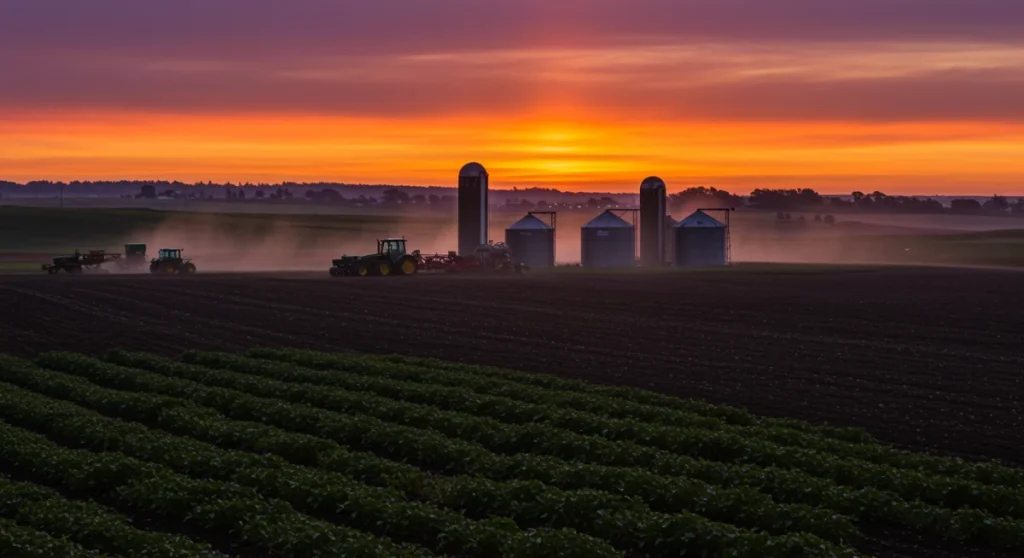
The 2025 Farm Bill proposals are set to redefine US agricultural policy, directly impacting commodity support, conservation initiatives, food access, and rural development, thereby fundamentally reshaping the future of American food production.
The upcoming Farm Bill 2025 is more than just a legislative package; it’s a pivotal moment for American agriculture, poised to redefine how food is produced, distributed, and consumed across the nation. As discussions intensify, farmers, consumers, and policymakers alike are keenly watching the proposals that could fundamentally reshape the future of US food production and rural economies.
Understanding the Farm Bill’s broad influence
The Farm Bill, renewed roughly every five years, is a comprehensive piece of legislation that governs a vast array of agricultural and food programs in the United States. Its reach extends far beyond just farm subsidies, impacting everything from food stamps and conservation efforts to crop insurance and rural development initiatives.
The bill is a complex tapestry of policies designed to support farmers, ensure a stable food supply, protect natural resources, and address food insecurity. Its provisions directly influence the types of crops grown, the methods used for cultivation, the economic viability of farming operations, and the accessibility of nutritious food for millions of Americans.
Historical context and evolution
Tracing its roots back to the Great Depression, the Farm Bill has evolved significantly to meet the changing needs of the nation. Early versions primarily focused on commodity price support and supply control to stabilize agricultural markets. Over time, its scope expanded to include environmental protection, food assistance, and rural economic development.
- 1930s-1970s: Focus on price support and supply management.
- 1980s-1990s: Introduction of conservation programs and environmental concerns.
- 2000s-Present: Increased emphasis on food assistance (SNAP), crop insurance, and diversified agriculture.
This historical evolution highlights the bill’s adaptive nature, reflecting societal shifts and emerging challenges. Each iteration attempts to balance competing interests—from large-scale commodity producers to small organic farms, and from urban consumers to rural communities—making its negotiation a constant and often contentious process.
The comprehensive nature of the Farm Bill means that changes in one section can have ripple effects across the entire agricultural ecosystem. Understanding these interconnected components is crucial for appreciating the potential impact of the 2025 proposals.
Key proposals for commodity programs in 2025
Commodity programs form the bedrock of the Farm Bill, providing crucial safety nets for producers of major crops like corn, soybeans, wheat, and cotton. The 2025 proposals are expected to introduce significant adjustments aimed at addressing current economic realities and global market dynamics.
Many discussions revolve around updating reference prices, which determine when government support payments kick in. Farmers argue that current reference prices are outdated and do not reflect the increased costs of production, including inputs like fertilizer, fuel, and labor. Raising these reference prices could provide a stronger financial buffer during periods of low market prices.
Adjustments to ARC and PLC programs
The primary commodity programs, Agricultural Risk Coverage (ARC) and Price Loss Coverage (PLC), are likely targets for reform. ARC provides revenue protection when actual crop revenue falls below a historical benchmark, while PLC offers payments when market prices drop below a predetermined reference price.
- ARC enhancements: Proposals include adjusting the revenue calculation to better reflect recent yield and price trends, offering more responsive protection.
- PLC reference price updates: Significant calls exist to increase statutory reference prices to align with modern production costs and market volatility.
- Base acre flexibility: Some proposals suggest allowing farmers more flexibility in updating their base acres, which are used to calculate program payments, to reflect current planting decisions.
These adjustments are critical for maintaining farm viability, especially for producers facing persistent market volatility and rising input costs. The balance between providing adequate support and avoiding market distortions is a delicate one that policymakers must navigate.
The potential changes to these programs could significantly influence planting decisions, commodity supply, and ultimately, consumer prices for staple goods. A robust safety net allows farmers to continue producing, ensuring a stable food supply for the nation.
Conservation and environmental stewardship
The 2025 Farm Bill is anticipated to place a renewed emphasis on conservation and environmental stewardship, reflecting growing concerns about climate change, soil health, and water quality. Proposals aim to expand existing programs and introduce new incentives for sustainable farming practices.
Farmers are increasingly at the forefront of environmental efforts, adopting practices that reduce their ecological footprint while maintaining productivity. The Farm Bill plays a crucial role in supporting these initiatives through financial assistance and technical guidance.
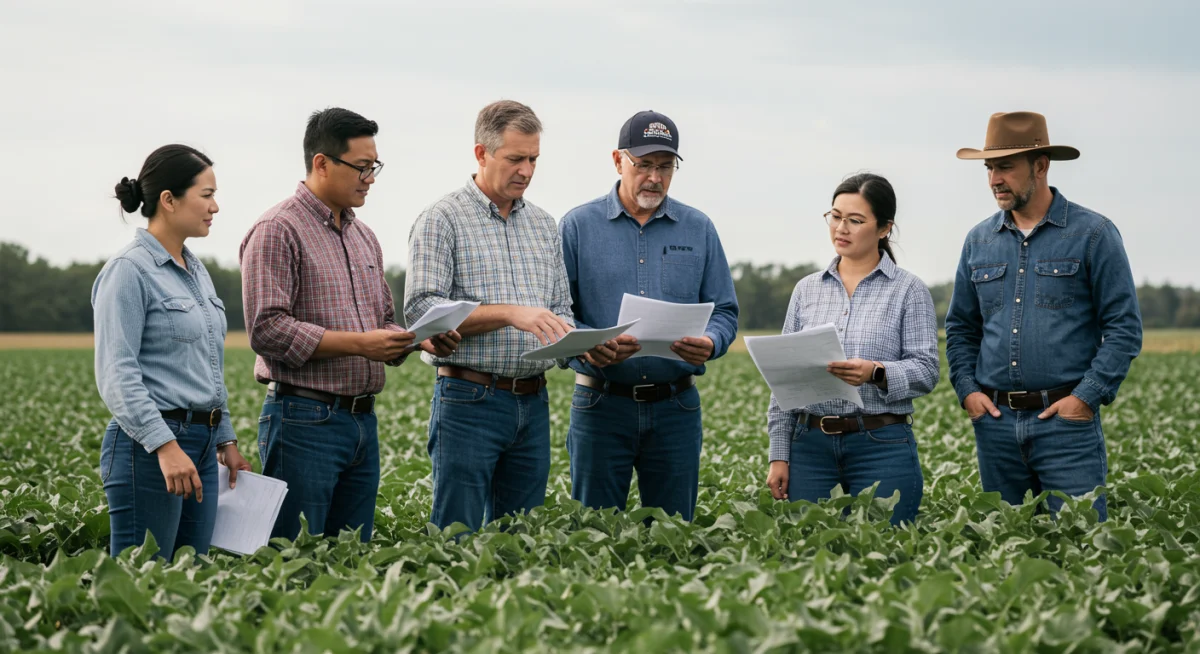
Expanding climate-smart agriculture initiatives
A significant portion of the new proposals focuses on expanding climate-smart agriculture. This includes practices designed to reduce greenhouse gas emissions, sequester carbon in the soil, and enhance farms’ resilience to extreme weather events.
- Conservation Reserve Program (CRP): Potential increases in acreage caps and rental rates to encourage more landowners to enroll environmentally sensitive land.
- Environmental Quality Incentives Program (EQIP): Enhanced funding and streamlined application processes for practices like cover cropping, no-till farming, and nutrient management.
- Conservation Stewardship Program (CSP): Proposals to strengthen CSP to reward farmers for maintaining and improving existing conservation systems.
These initiatives are not only beneficial for the environment but can also improve farm profitability in the long run by enhancing soil fertility, reducing input costs, and mitigating risks. The integration of environmental goals with agricultural production is a key theme for the upcoming bill.
The focus on conservation reflects a broader societal demand for sustainable food systems. By investing in these programs, the Farm Bill can help ensure the long-term health of agricultural lands and natural resources, safeguarding them for future generations.
Food assistance programs and rural development
Beyond direct farm support, the Farm Bill is a cornerstone of national food security and rural economic vitality. The 2025 proposals will inevitably address the Supplemental Nutrition Assistance Program (SNAP) and various rural development initiatives, both critical components of the bill.
SNAP, formerly known as food stamps, provides crucial assistance to millions of low-income Americans, ensuring they have access to nutritious food. Debates often center on eligibility requirements, benefit levels, and program administration, with advocates pushing for robust support.
Strengthening SNAP and addressing food insecurity
Proposals for SNAP often involve discussions around benefit adequacy, work requirements, and program access. The goal is to ensure that the program effectively addresses food insecurity while promoting self-sufficiency.
- Benefit level adjustments: Calls to update the Thrifty Food Plan, which determines SNAP benefits, to reflect current food costs and dietary guidelines.
- Eligibility criteria: Debates over potential changes to income thresholds and asset limits, aiming to balance access with fiscal responsibility.
- Program efficiency: Proposals to streamline application processes and improve outreach to underserved communities.
Simultaneously, the Farm Bill supports a range of rural development programs that foster economic growth, improve infrastructure, and enhance the quality of life in rural areas. These programs are vital for creating jobs, attracting investments, and retaining populations in agricultural communities.
From rural broadband expansion to community facility loans, these initiatives are essential for bridging the economic and social gaps between urban and rural America. The 2025 Farm Bill offers an opportunity to reinforce these critical programs.
Impact on organic and specialty crop sectors
While often overshadowed by commodity crops, organic agriculture and specialty crops (fruits, vegetables, nuts) represent growing segments of the US agricultural economy. The 2025 Farm Bill proposals are expected to include provisions specifically tailored to support these sectors, recognizing their unique needs and contributions.
Consumers are increasingly demanding organic and locally sourced foods, driving innovation and expansion in these areas. The Farm Bill can either accelerate or hinder this growth through its funding and regulatory frameworks.
Enhancing support for diversified farming
Proposals aim to strengthen programs that assist organic producers and those growing specialty crops, acknowledging their different market dynamics and production challenges compared to traditional commodities.
- Organic certification cost share: Increased funding to help organic farmers cover the costs associated with certification, reducing financial barriers to entry.
- Specialty Crop Block Grants: Expanded funding for state-led initiatives that support research, promotion, and market development for specialty crops.
- Research and extension: Dedicated funding for research into organic farming methods, pest management for specialty crops, and climate resilience in diversified systems.
These targeted investments can help these sectors thrive, offering farmers more diverse income streams and consumers a wider array of healthy food choices. Supporting diversified farming also contributes to agricultural biodiversity and ecosystem health.
The recognition of organic and specialty crops as vital components of a resilient food system is a positive trend. The 2025 Farm Bill has the potential to further integrate these sectors into the broader agricultural policy landscape, fostering their continued growth.
Challenges and opportunities for the 2025 Farm Bill
Crafting the 2025 Farm Bill presents numerous challenges, ranging from budgetary constraints to deeply entrenched political divisions. However, these challenges also create opportunities for innovative solutions and bipartisan cooperation that could lead to a more resilient and equitable food system.
Balancing the diverse interests of various stakeholders—farmers, environmental groups, food advocates, and industry—is always a complex undertaking. The current political climate adds another layer of difficulty, making consensus-building particularly challenging.
Navigating political divides and economic pressures
Key challenges include securing adequate funding amid competing national priorities and addressing differing philosophies on the role of government in agriculture. Economic pressures, such as inflation and global supply chain disruptions, further complicate the picture.
- Budgetary constraints: Finding sufficient funding for all desired programs while adhering to fiscal limits.
- Regional disparities: Addressing the unique needs of different agricultural regions, from the Corn Belt to the Pacific Northwest.
- Evolving consumer demands: Responding to increasing consumer interest in sustainable, locally sourced, and healthy food options.
Despite these hurdles, the Farm Bill offers an opportunity to modernize agricultural policies, adapt to climate change, strengthen rural economies, and enhance food security. It represents a chance to build a more sustainable and equitable food system for all Americans.
Successful negotiation will require compromise and a shared vision for the future of American agriculture. The discussions surrounding the 2025 Farm Bill are not just about policy; they are about shaping the economic, environmental, and social fabric of the nation for years to come.
| Key Aspect | Brief Description |
|---|---|
| Commodity Programs | Proposals focus on updating reference prices and adjusting ARC/PLC programs for better farmer safety nets. |
| Conservation Efforts | Emphasis on climate-smart agriculture, expanding CRP, EQIP, and CSP for environmental benefits. |
| Food Assistance | Strengthening SNAP benefits and rural development initiatives to combat food insecurity and boost rural economies. |
| Specialty Crops | Increased support for organic and specialty crop sectors through grants and research funding. |
Frequently asked questions about the 2025 Farm Bill
The Farm Bill is a comprehensive federal legislation that sets policy for food and agriculture in the United States. It influences everything from commodity prices and conservation to food assistance programs and rural development, aiming to ensure a stable food supply and support agricultural communities.
The Farm Bill is typically renewed approximately every five years. This periodic renewal allows policymakers to reassess and adjust agricultural policies to address evolving challenges and opportunities in the agricultural sector, climate, and food security landscape.
Commodity programs are a core component of the Farm Bill that provide financial support and risk management tools to producers of major crops like corn, soybeans, wheat, and cotton. They include programs like Agricultural Risk Coverage (ARC) and Price Loss Coverage (PLC), designed to stabilize farm income.
The Farm Bill plays a significant role in national food security through programs like the Supplemental Nutrition Assistance Program (SNAP). It sets funding levels, eligibility requirements, and administrative guidelines for SNAP, directly impacting millions of low-income Americans’ access to nutritious food.
Conservation programs within the Farm Bill incentivize farmers and landowners to adopt environmentally friendly practices. Programs like CRP, EQIP, and CSP help protect natural resources, improve soil health, conserve water, and promote climate-smart agriculture, contributing to long-term sustainability.
Conclusion
The proposals for the 2025 Farm Bill underscore a critical juncture for American agriculture, presenting both significant challenges and unparalleled opportunities. From bolstering commodity prices to expanding climate-smart conservation, and from strengthening food assistance to fostering rural development, the upcoming legislation is set to profoundly reshape the US food production landscape. Its successful implementation will hinge on thoughtful compromise and a clear vision for a sustainable, equitable, and resilient agricultural future that serves farmers, consumers, and the environment alike.
