Digital SAT 2026 Prep: US Student’s Step-by-Step Guide

Preparing for the Digital SAT in 2026 requires a strategic approach, focusing on adaptive testing formats, digital resources, and consistent practice to achieve desired college admission scores.
Are you a US student eyeing college admissions in the coming years? Then understanding How to Prepare for the Digital SAT in 2026: A US Student’s Step-by-Step Guide (PRACTICAL SOLUTIONS) is not just important, it’s absolutely critical. The SAT has evolved, and with the digital format firmly in place by 2026, your preparation strategies must adapt to this new landscape.
Understanding the Digital SAT Format for 2026
The College Board’s transition to a fully digital SAT by 2026 marks a significant shift in standardized testing. This isn’t just about taking the same test on a computer; it’s a fundamentally different experience. Students need to grasp the nuances of this new format to prepare effectively.
The Digital SAT is shorter, features adaptive testing, and offers a more streamlined experience. Familiarizing yourself with these changes is the first step toward successful preparation. It’s crucial to understand how the adaptive nature of the test impacts your strategy, as performance on early modules directly influences the difficulty of subsequent questions.
Key Changes in the Digital SAT
The digital format brings several advantages, including a shorter test duration and built-in tools. These changes aim to make the test more accessible and less stressful for students.
- Adaptive Design: The test adjusts in difficulty based on your performance in the first module of each section (Reading & Writing, Math).
- Shorter Duration: The entire test is now approximately two hours and 14 minutes, a significant reduction from the paper-and-pencil version.
- Built-in Tools: Desmos graphing calculator is integrated into the math section, and students can highlight text and use annotation features.
Understanding these shifts is foundational. Gone are the days of manually bubbling in answers; now, proficiency with digital interfaces and tools is equally important. This new format also emphasizes critical thinking and problem-solving skills rather than rote memorization.
In conclusion, the Digital SAT in 2026 is a modernized assessment designed for efficiency and adaptability. Students must move beyond traditional preparation methods and embrace strategies tailored for a digital, adaptive environment. This foundational understanding will empower you to approach the test with confidence.
Crafting Your Personalized Digital SAT Study Plan
Creating an effective study plan is paramount for any standardized test, and the Digital SAT is no exception. A personalized plan ensures that your preparation is targeted, efficient, and addresses your specific strengths and weaknesses. Without a structured approach, it’s easy to get overwhelmed by the sheer volume of material.
Your study plan should be flexible yet consistent, allowing for regular practice and review. It’s not about cramming, but about building a solid understanding of concepts and developing effective test-taking strategies over time. Start by assessing your current skill level through diagnostic tests to identify areas needing the most attention.
Essential Components of a Study Plan
A well-rounded study plan incorporates various elements to ensure comprehensive coverage. It’s a living document that should be adjusted as you progress and gain more insight into your performance.
- Diagnostic Testing: Begin with a full-length Digital SAT practice test to pinpoint your initial strengths and weaknesses.
- Content Review: Dedicate time to reviewing core concepts in Reading & Writing and Math, focusing on areas identified by your diagnostic test.
- Practice Questions: Regularly work through practice questions, paying close attention to the new digital format and question types.
Beyond these, consider incorporating regular breaks and maintaining a healthy lifestyle to avoid burnout. The goal is sustainable progress, not intense, short-lived efforts. Remember, consistency trumps intensity when it comes to long-term preparation.
Developing a personalized study plan is a dynamic process. It requires self-awareness, discipline, and a willingness to adapt. By systematically addressing your academic needs and leveraging available resources, you can build a robust foundation for success on the Digital SAT.
Leveraging Official Digital SAT Resources and Bluebook
The College Board provides indispensable official resources that are specifically designed for the Digital SAT. These materials are the most accurate representation of what you’ll encounter on test day, making them essential for your preparation. Ignoring them would be a significant disservice to your study efforts.
The Bluebook app is the cornerstone of official Digital SAT practice. It’s not just a platform for practice tests; it’s an immersive experience that mirrors the actual testing environment. Familiarity with Bluebook’s interface and features will reduce anxiety and boost your confidence on exam day.
Maximizing Bluebook for Practice
Bluebook offers full-length practice tests that are adaptive, just like the real exam. Taking these tests under timed conditions is crucial for simulating the pressure and pacing of the actual SAT.
- Timed Practice Tests: Complete full-length adaptive practice tests within Bluebook to get a realistic sense of the exam experience.
- Review Explanations: After each practice test, thoroughly review the explanations for both correct and incorrect answers to understand reasoning.
- Utilize Tools: Practice using the built-in Desmos calculator and annotation features to become proficient with them.
Beyond Bluebook, the College Board website offers additional study materials, including sample questions and detailed information about the test structure. These resources are invaluable for understanding the test’s expectations. Additionally, consider Khan Academy, which partners with the College Board to offer free, personalized practice based on your Bluebook results.
In summary, official resources, especially the Bluebook app, are non-negotiable for Digital SAT preparation. They provide the most authentic practice experience and invaluable insights into the test’s adaptive nature. Integrate these tools deeply into your study routine for optimal results.
Mastering Digital SAT Reading & Writing Strategies
The Reading & Writing section of the Digital SAT presents a unique challenge, moving away from long passages to shorter, discrete texts. This shift demands different strategies focused on efficiency, comprehension, and precise analysis. Success hinges on adapting your reading habits to this new format.
Each question in this section is tied to a single, relatively short passage or graphic. This means you need to quickly identify the main idea, purpose, or specific details without getting bogged down in lengthy texts. Developing strong vocabulary and understanding rhetorical devices are still crucial, but the application is more direct.
Effective Techniques for Reading & Writing
To excel in this section, students should focus on specific skills that align with the digital, modular format. Speed and accuracy are key, as is the ability to quickly shift focus between diverse topics.
- Active Reading: Practice reading short passages with a specific purpose in mind, identifying keywords and main arguments.
- Vocabulary in Context: Focus on understanding word meanings within the context of sentences and passages, as questions often test this.
- Grammar and Punctuation Rules: Review fundamental English grammar, usage, and punctuation rules, as these are directly assessed.
Additionally, practice identifying common rhetorical strategies and understanding how authors develop arguments. The digital format often presents questions that require inferential reasoning and the ability to synthesize information from different parts of a text or graphic. Don’t underestimate the importance of consistent practice with varied text types.
In conclusion, mastering the Digital SAT Reading & Writing section requires a strategic shift towards efficient comprehension and targeted analysis of shorter texts. By focusing on active reading, contextual vocabulary, and grammatical precision, students can confidently navigate this redesigned component of the exam.
Conquering Digital SAT Math: Concepts and Calculator Use
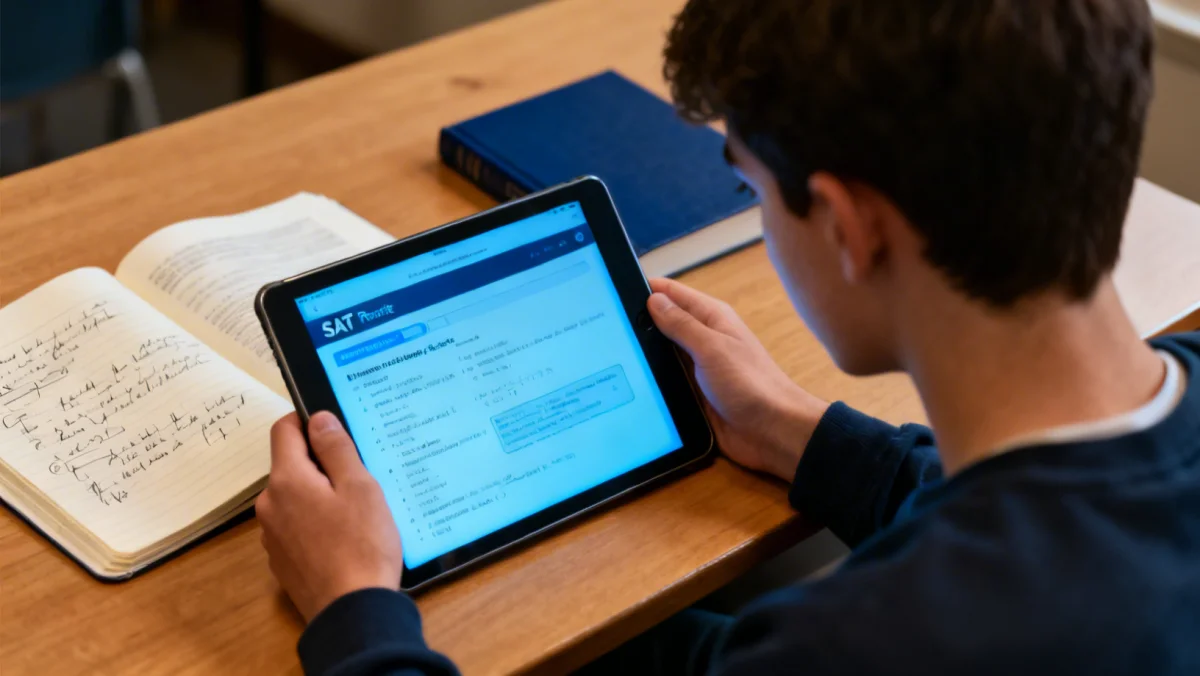
The Math section of the Digital SAT has also undergone changes, emphasizing problem-solving and data analysis, with the added benefit of an integrated Desmos graphing calculator for all questions. While the calculator is a powerful tool, understanding fundamental mathematical concepts remains paramount.
Students must be proficient in algebra, geometry, and data analysis. The test assesses your ability to apply these concepts to real-world scenarios, often presented in word problems or through data visualizations. The calculator should be seen as an aid, not a replacement for conceptual understanding.
Strategies for Math Section Success
To excel in the Math section, a two-pronged approach is effective: solidifying foundational knowledge and becoming adept at using the Desmos calculator efficiently. Both are critical for navigating the adaptive challenges of the digital exam.
- Reinforce Fundamentals: Review core concepts in pre-algebra, algebra I, geometry, and basic trigonometry.
- Master Desmos: Practice extensively with the Desmos graphing calculator, learning its functions for graphing, solving equations, and analyzing data.
- Problem-Solving Practice: Work through diverse word problems and data interpretation questions to apply concepts effectively.
Many students make the mistake of over-relying on the calculator without fully understanding the underlying math. This can lead to errors, especially in questions where conceptual understanding is tested more than complex calculations. Learn when and how to use Desmos strategically to save time and improve accuracy.
In summary, conquering the Digital SAT Math section means striking a balance between robust conceptual knowledge and skillful calculator use. Consistent practice with both problem-solving techniques and Desmos functionalities will equip you to tackle any math challenge the adaptive test presents.
Test Day Strategies and Mental Preparation
Beyond academic preparation, your performance on the Digital SAT is significantly influenced by your test day strategies and mental state. Approaching the exam with confidence, calm, and a clear plan can boost your scores considerably. It’s not just what you know, but how you perform under pressure.
The digital format, while offering conveniences, also introduces new elements to consider, such as managing screen time and navigating the platform effectively. Mental preparation involves reducing anxiety, maintaining focus, and developing resilience to unexpected challenges.
Crucial Tips for Test Day
A well-thought-out plan for test day can make all the difference. This includes logistical considerations as well as mental approaches to ensure you’re at your best.
- Technical Readiness: Ensure your device is fully charged and Bluebook is updated well in advance. Consider a backup plan if your device fails.
- Pacing Yourself: The adaptive nature means each question matters. Don’t rush, but also don’t get stuck on one problem for too long.
- Mindfulness and Breaks: Utilize scheduled breaks to clear your mind and stretch. Practice mindfulness techniques to manage stress.
Remember to get a good night’s sleep before the test and eat a nutritious breakfast. Avoid last-minute cramming, as it often increases anxiety without providing significant benefit. Trust in your preparation and focus on executing your strategies effectively. The testing environment should feel familiar, thanks to your practice with Bluebook.
Ultimately, successful Digital SAT performance is a blend of thorough academic preparation and strategic test-day execution. By addressing both the intellectual and psychological aspects of the exam, you position yourself for optimal results and a smoother testing experience.
| Key Point | Brief Description |
|---|---|
| Digital Format Mastery | Understand the adaptive nature, shorter duration, and built-in tools of the 2026 Digital SAT. |
| Personalized Study Plan | Create a flexible, consistent plan based on diagnostic tests to target weaknesses. |
| Official Resources | Utilize the Bluebook app and College Board materials for authentic practice and familiarity. |
| Test Day Readiness | Focus on technical checks, pacing, and mental well-being for optimal performance. |
Frequently Asked Questions About the Digital SAT 2026
The most significant change is the adaptive testing format, where the difficulty of subsequent questions adjusts based on your performance in earlier modules. This makes each question more impactful and requires a consistent level of focus throughout the exam.
The Digital SAT is considerably shorter, clocking in at approximately 2 hours and 14 minutes, which includes breaks. This is a noticeable reduction from the three-hour paper-and-pencil version, offering a less grueling test-taking experience for students.
While you can use an approved external calculator, the Digital SAT includes a built-in Desmos graphing calculator available for all math questions. It’s highly recommended to practice with this integrated tool to leverage its full capabilities during the exam.
The Bluebook app is the official platform for taking the Digital SAT and its practice tests. It’s crucial for familiarizing yourself with the test interface, timing mechanisms, and adaptive question delivery, providing the most authentic simulation of the actual exam.
Mental preparation is extremely important. Managing test anxiety, maintaining focus, and developing resilience are key to performing well under pressure. Techniques like mindfulness and ensuring adequate rest contribute significantly to a successful test-taking experience.
Conclusion
Preparing for the Digital SAT in 2026 is a journey that demands adaptability, strategic planning, and consistent effort. By understanding the new adaptive format, crafting a personalized study plan, and thoroughly utilizing official College Board resources like Bluebook, US students can confidently approach this evolving standardized test. Success hinges not only on mastering academic content but also on developing effective test-taking strategies and maintaining a positive mental outlook. Embrace these practical solutions, and you’ll be well-prepared to achieve your college admission goals.
