Credit Score Improvement 2025: Boost Your Rating by 50 Points

Improving your credit score in 2025 is achievable with strategic efforts, directly impacting your financial opportunities and securing better interest rates.
Are you ready to take control of your financial destiny in the new year? Understanding and actively working on your credit score improvement is not just a good idea; it’s a necessity for unlocking better interest rates, loan approvals, and overall financial peace of mind. In 2025, a few strategic moves can significantly enhance your credit standing, potentially boosting your rating by 50 points or more.
Understanding Your Credit Score and Why It Matters
Before diving into improvement strategies, it’s crucial to grasp what a credit score represents and its profound impact on your financial life. Your credit score is a three-digit number that lenders use to assess your creditworthiness. It’s a snapshot of your financial responsibility, influencing everything from mortgage rates to car loans and even rental applications.
A higher credit score signals to lenders that you are a reliable borrower, leading to more favorable terms and lower interest rates. Conversely, a low score can restrict your access to credit or result in significantly higher costs over the life of a loan. In 2025, with economic shifts and evolving lending practices, a robust credit score is more valuable than ever.
The Components of Your Credit Score
Your FICO score, the most widely used credit score model, is calculated based on several key factors. Understanding these components is the first step toward effective improvement.
- Payment History: This is the most critical factor, accounting for 35% of your score. Timely payments demonstrate reliability.
- Amounts Owed: This makes up 30% and refers to your credit utilization ratio – how much credit you’re using versus how much is available.
- Length of Credit History: At 15%, older accounts generally benefit your score, showing a long-standing history of managing credit.
- New Credit: This accounts for 10% and considers recent credit applications and new accounts opened.
- Credit Mix: The remaining 10% looks at the variety of credit accounts you have, such as credit cards, installment loans, and mortgages.
By focusing on these areas, you can develop a targeted approach to enhance your credit profile. Each factor plays a role, and neglecting any one can hinder your progress. A comprehensive understanding empowers you to make informed decisions.
Step 1: Prioritize On-Time Payments
The single most impactful action you can take for credit score improvement is consistently making all your payments on time. As noted, payment history constitutes 35% of your FICO score, making it the most heavily weighted factor. A single late payment can significantly ding your score and remain on your report for up to seven years.
To ensure you never miss a due date, consider setting up automatic payments for all your bills, from credit card statements to utility bills and loan installments. This proactive approach eliminates the risk of oversight and helps build a solid history of responsible credit management. It’s not just about credit cards; all forms of debt reporting to credit bureaus contribute to this crucial component.
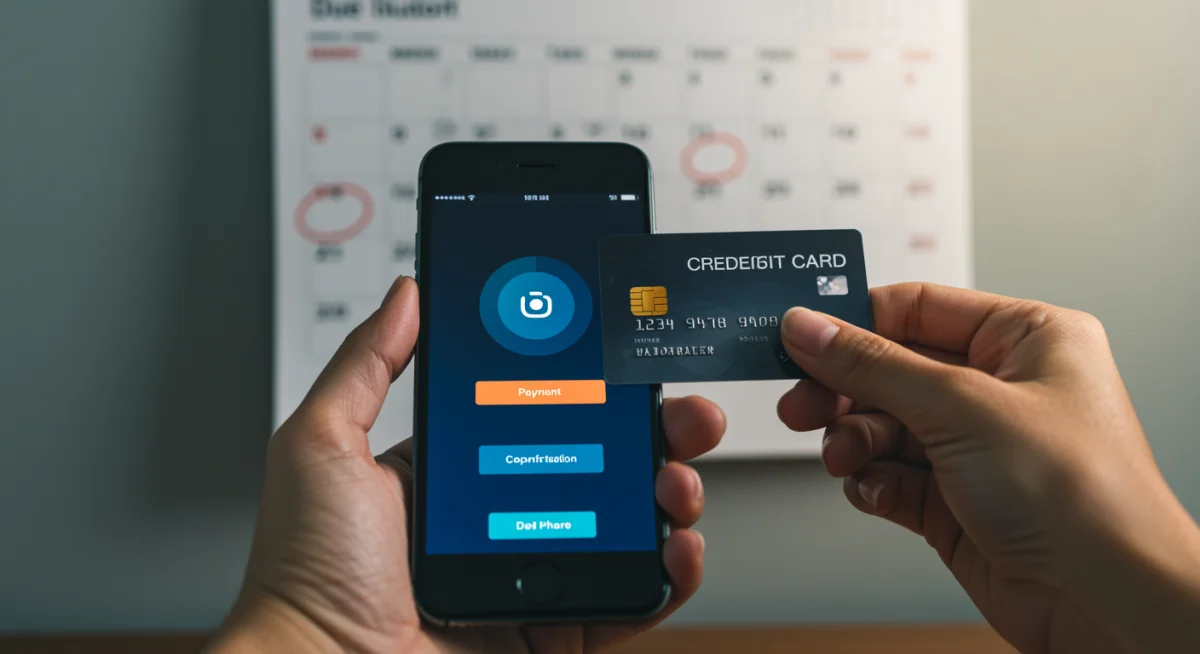
Beyond automation, creating a financial calendar or using reminder apps can be highly effective. The goal is to establish a routine where payments are made well in advance of their due dates, providing a buffer against unforeseen issues. This consistent behavior is the bedrock of a strong credit score and demonstrates reliability to future lenders, paving the way for better financial opportunities.
Strategies for Timely Payments
Cultivating a habit of timely payments requires discipline and the right tools. There are several practical strategies you can implement to ensure you hit every due date.
- Automate Everything: Set up auto-pay for all your credit cards, loans, and even utility bills directly from your bank account.
- Calendar Reminders: Use digital calendars or physical planners to mark payment due dates and set reminders a few days in advance.
- Budgeting Tools: Employ budgeting apps or spreadsheets to track your income and expenses, ensuring you have sufficient funds available for payments.
Making on-time payments is a fundamental habit that pays dividends in the long run. It’s the most straightforward yet powerful step towards significant credit score improvement, laying a strong foundation for your financial health.
Step 2: Reduce Your Credit Utilization Ratio
Your credit utilization ratio is the amount of credit you’re using compared to your total available credit. For instance, if you have a credit card with a $10,000 limit and you’ve charged $3,000, your utilization is 30%. Financial experts generally recommend keeping this ratio below 30%, with lower percentages being even better for your score. This factor accounts for 30% of your FICO score, making it the second most important element in credit score improvement.
To improve this ratio, focus on paying down your credit card balances. If possible, aim to pay off your cards in full each month. If that’s not feasible, concentrate on reducing the balance as much as you can. Even small reductions can make a difference, especially if you have high balances across multiple cards. This strategy directly impacts your score by showing lenders you’re not over-reliant on credit and can manage your debts responsibly.
Effective Ways to Lower Utilization
Lowering your credit utilization doesn’t always mean paying off huge sums all at once. There are several practical approaches that can help.
- Pay Down Balances: Focus on paying more than the minimum due, especially on cards with high balances.
- Increase Credit Limits: If you have a good payment history, you can request a credit limit increase. This boosts your available credit without adding to your debt, thereby lowering your utilization ratio. However, be cautious not to spend more.
- Distribute Debt: If you have high balances on one card and low balances on another, consider transferring some debt to even out the utilization, but be mindful of balance transfer fees.
Maintaining a low credit utilization ratio is a powerful lever for credit score improvement. It signals financial prudence to lenders and can lead to a noticeable bump in your credit score, often relatively quickly. By actively managing your balances, you demonstrate a strong command over your financial obligations.
Step 3: Address Credit Report Errors
Even with diligent financial habits, errors on your credit report can unjustly drag down your score. These inaccuracies can range from incorrect personal information to fraudulent accounts or misreported late payments. It’s estimated that a significant percentage of consumers have at least one error on their credit report, making regular review a critical step in credit score improvement.
Under the Fair Credit Reporting Act (FCRA), you have the right to obtain a free copy of your credit report from each of the three major credit bureaus—Equifax, Experian, and TransUnion—once every 12 months. You can access these reports through AnnualCreditReport.com. Make it a habit to review these reports annually, or even more frequently if you’re actively trying to improve your score.
Upon identifying an error, dispute it immediately with both the credit bureau and the information provider (e.g., the bank or creditor). Provide clear documentation to support your claim. The credit bureau is required to investigate your dispute within 30 days. Correcting even a minor error, such as an incorrectly reported late payment, can lead to a quick and substantial boost in your credit score, sometimes by several points.
How to Dispute Credit Report Errors
Disputing errors effectively can seem daunting, but following a structured process increases your chances of success.
- Gather Documentation: Collect any evidence supporting your claim, such as payment confirmations, statements, or identity theft reports.
- Contact Credit Bureaus: File a dispute online, by mail, or by phone with each credit bureau reporting the error. Be specific about the inaccuracy.
- Contact the Creditor: Simultaneously inform the creditor or data furnisher about the error and provide your evidence.
Actively monitoring your credit reports for inaccuracies and promptly disputing them is a vital, yet often overlooked, strategy for credit score improvement. It ensures that your score accurately reflects your financial behavior and protects you from unfair penalties.
Step 4: Avoid Opening Too Many New Credit Accounts
While having a diverse credit mix can be beneficial, opening too many new credit accounts in a short period can actually hurt your credit score. Each time you apply for new credit, a hard inquiry is typically placed on your credit report. These inquiries can temporarily lower your score by a few points and remain on your report for up to two years, though their impact diminishes over time.
New credit accounts also reduce the average age of your credit accounts, which is a factor in your credit score (length of credit history accounts for 15%). Lenders prefer to see a long, established history of responsible credit use. A sudden influx of new accounts can signal to lenders that you might be in financial distress or are taking on too much debt, making you a higher risk.
Therefore, when pursuing credit score improvement, it’s wise to be strategic about applying for new credit. Only apply for new loans or credit cards when absolutely necessary, and space out your applications. If you’re shopping for a mortgage or car loan, multiple inquiries within a short period (typically 14-45 days, depending on the scoring model) are often treated as a single inquiry, so it’s best to do your rate shopping within a focused timeframe.
Strategic Credit Applications
Thoughtful planning can help you leverage new credit without harming your score.
- Assess Your Needs: Before applying, determine if new credit is truly essential or if existing accounts can meet your needs.
- Research Offers: Look for pre-qualified offers that don’t involve a hard inquiry to gauge your approval chances before a formal application.
- Space Out Applications: If you need multiple new accounts, try to space out applications over several months to minimize the impact of hard inquiries.
Resisting the urge to open numerous new credit accounts is a prudent step for credit score improvement. This approach helps maintain the average age of your accounts and limits the number of hard inquiries, demonstrating stability to potential lenders.
Step 5: Maintain a Healthy Credit Mix
While payment history and credit utilization are the biggest drivers, a healthy credit mix also plays a role in your credit score improvement, accounting for 10% of your FICO score. A diverse mix of credit types, such as revolving credit (credit cards) and installment loans (mortgages, car loans, student loans), shows lenders that you can responsibly manage various forms of debt.
It’s important to note that this doesn’t mean you should go out and take on debt you don’t need just to diversify your credit mix. Instead, if you’re already considering a major purchase that requires a loan, such as a car or a home, this can naturally contribute to a healthier mix. The key is to manage these different types of accounts responsibly, ensuring timely payments and low utilization.
For individuals who primarily have credit card debt, adding an installment loan (if needed and affordable) could positively impact their credit mix over time. Conversely, someone with only installment loans might benefit from a credit card, used judiciously for small, regular purchases that are paid off in full each month. This demonstrates an ability to handle different credit products, which can be seen favorably by credit bureaus.
Building a Balanced Portfolio
Achieving a good credit mix is about strategic and responsible financial planning.
- Utilize Existing Accounts Wisely: If you have both credit cards and loans, ensure you’re managing both types responsibly.
- Consider Secured Credit: For those with limited credit history, a secured credit card or a credit-builder loan can be a safe way to introduce an additional credit type.
- Avoid Unnecessary Debt: Never take on debt solely for the purpose of improving your credit mix. The interest costs can outweigh the credit score benefits.
Cultivating a healthy credit mix, when done responsibly and thoughtfully, can contribute to your overall credit score improvement. It demonstrates versatility in managing different financial products, further solidifying your creditworthiness.
| Key Action | Brief Description |
|---|---|
| Timely Payments | Always pay bills on time to positively impact 35% of your FICO score. |
| Reduce Utilization | Keep credit card balances below 30% of your available credit limits. |
| Check Credit Reports | Regularly review reports for errors and dispute any inaccuracies promptly. |
| Strategic New Credit | Avoid opening too many new accounts in a short period to prevent score dips. |
Frequently Asked Questions About Credit Score Improvement
The speed of credit score improvement varies, but positive changes can often be seen within 1-3 months for actions like reducing credit utilization. More significant improvements, such as recovering from late payments, may take longer, typically 6-12 months as positive history builds.
A good credit utilization ratio is generally considered to be below 30%. However, aiming for an even lower ratio, ideally under 10%, can lead to better credit score improvement. The lower your utilization, the more responsible you appear to lenders.
Yes, closing old credit card accounts can potentially hurt your score. It reduces your total available credit, which can increase your credit utilization ratio. It also shortens your length of credit history, another important factor in your credit score calculation.
No, checking your own credit score or credit report, known as a ‘soft inquiry,’ does not lower your credit score. Soft inquiries occur when you check your own credit or when a lender pre-approves you for an offer. Only ‘hard inquiries,’ initiated by a lender when you apply for new credit, can temporarily affect your score.
A secured credit card is an excellent tool for credit score improvement, especially for those with no credit history or poor credit. It requires a cash deposit as collateral, which often becomes your credit limit. By using it responsibly and making on-time payments, you build positive credit history, demonstrating creditworthiness to lenders.
Conclusion
Achieving significant credit score improvement in 2025 is a realistic and attainable goal, provided you commit to a disciplined approach. By prioritizing on-time payments, strategically reducing your credit utilization, diligently checking and disputing credit report errors, cautiously managing new credit applications, and maintaining a healthy credit mix, you can steadily elevate your financial standing. These five actionable steps are not quick fixes, but rather foundational habits that lead to lasting financial health and open doors to better lending opportunities and a more secure financial future. Start today, and watch your credit score flourish.
