Caregiver Tax Benefits 2026: New Credits & Deductions Up to $3,000
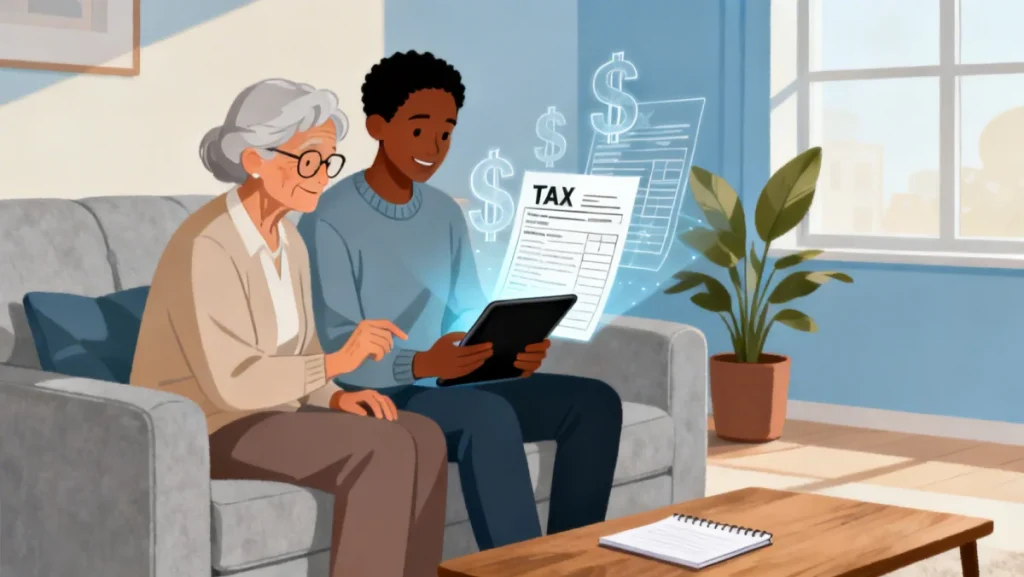
Caregivers in the United States for 2026 can expect new and expanded tax benefits, encompassing credits and deductions that could reach up to $3,000, aimed at easing the financial strain associated with providing essential care for eligible individuals.
Are you a dedicated caregiver navigating the complexities of supporting a loved one? The financial demands can be substantial, but relief is on the horizon. In 2026, significant changes are coming that could offer substantial financial assistance. This article will explore the updated caregiver tax benefits 2026, including new credits and deductions worth up to $3,000, designed to ease your burden.
Understanding the Evolving Landscape of Caregiver Tax Benefits
The role of a caregiver is both rewarding and challenging, often involving significant financial sacrifices. Recognizing this, the U.S. government continuously evaluates and adjusts tax policies to support those who provide essential care. The landscape of caregiver tax benefits is dynamic, with new provisions and modifications introduced to address the growing needs of families across the nation.
For 2026, several key changes are anticipated, reflecting a concerted effort to provide more comprehensive financial relief. These adjustments aim to make caregiving more sustainable, allowing more families to keep their loved ones at home while receiving quality care. Understanding these evolving benefits is crucial for maximizing your tax savings and ensuring you receive the support you deserve.
Why Tax Benefits for Caregivers are Essential
- Alleviating Financial Strain: Caregiving often involves out-of-pocket expenses for medical supplies, specialized care, and home modifications.
- Promoting In-Home Care: Tax benefits can make it more feasible for families to provide care at home, a preference for many individuals.
- Recognizing Unpaid Labor: These benefits acknowledge the invaluable, often unpaid, work performed by millions of family caregivers.
The introduction of new credits and deductions not only offers direct financial relief but also serves as a recognition of the critical role caregivers play in the healthcare ecosystem. These measures aim to empower caregivers, ensuring they can continue their vital work without facing undue financial hardship.
As we approach 2026, staying informed about these changes will be paramount. The government’s continued focus on caregiver support is a positive development, offering a lifeline to many who dedicate their lives to caring for others. This section lays the groundwork for a deeper dive into the specific benefits available.
New Tax Credits for Caregivers in 2026
The year 2026 is poised to introduce new or significantly enhanced tax credits specifically aimed at caregivers. These credits are particularly valuable because they directly reduce the amount of tax you owe, dollar for dollar, rather than just reducing your taxable income. This can lead to substantial savings for eligible individuals and families.
While specific details are still being finalized, discussions indicate a focus on credits that support a broader range of caregiving expenses and situations. This proactive approach by policymakers reflects an understanding of the diverse needs within the caregiving community.
Expanded Dependent Care Credit
One of the most anticipated changes is an expansion of the Dependent Care Credit. Historically, this credit has primarily benefited those paying for childcare for working parents. However, for 2026, there’s a strong push to extend its reach to include expenses for adult dependents who require care due to physical or mental incapacitation.
- Increased Credit Amount: The maximum credit amount could see an increase, offering more significant relief than in previous years.
- Broader Eligibility: More adult dependents, including elderly parents or disabled adult children, might qualify under the expanded definitions.
- Qualified Expenses: Expect a wider array of eligible expenses, such as adult day care, in-home care services, and certain medical costs.
This expansion would be a game-changer for many caregivers, recognizing that care for adult dependents often incurs similar, if not greater, costs than childcare. The aim is to acknowledge the comprehensive nature of caregiving responsibilities.
Another potential new credit being discussed is a direct Caregiver Tax Credit, specifically designed to reward individuals who provide unpaid care. This credit would acknowledge the time and effort invested, even if no direct expenses are incurred. Such a credit would mark a significant shift in how caregiving is financially recognized by the tax system.
These new tax credits represent a promising development for caregivers. They are a tangible way for the government to support those who often sacrifice their own careers and financial well-being to care for loved ones, offering a much-needed financial boost.
Key Deductions and How They Impact Caregivers
Beyond tax credits, various deductions can significantly reduce a caregiver’s taxable income, ultimately lowering their overall tax liability. While deductions don’t offer a dollar-for-dollar reduction like credits, they are still incredibly valuable, especially for those with higher incomes.
For 2026, it’s expected that existing deductions will be clarified or even expanded, making them more accessible and beneficial for caregivers. Understanding which expenses qualify for deductions is critical to maximizing your tax savings.
Medical Expense Deductions for Caregivers
One of the most significant deductions for caregivers involves medical expenses. If you pay for medical care for yourself, your spouse, or your dependents, you might be able to deduct the amount of medical expenses exceeding a certain percentage of your Adjusted Gross Income (AGI).
- Dependent Definition: The IRS has specific rules for who qualifies as a dependent for medical expense deductions, often broader than for other credits.
- Eligible Expenses: This can include doctor visits, prescription medications, long-term care services, and even certain home modifications for medical purposes.
- Threshold Considerations: Keep accurate records, as only expenses above the AGI threshold are deductible.
The ability to deduct these substantial costs can provide considerable relief. It’s important to keep meticulous records of all medical expenditures, as these can add up quickly and make a significant difference in your tax outcome.
Furthermore, the often-overlooked deduction for qualified long-term care insurance premiums may also see adjustments. This deduction allows taxpayers to deduct a portion of the premiums paid for long-term care insurance, which is a crucial financial planning tool for many families dealing with aging parents or disabled loved ones. For 2026, there could be modifications to the age-based limits on these deductions, potentially allowing for larger deductions for older caregivers or those caring for older dependents.
These deductions, coupled with the new credits, form a comprehensive support system designed to ease the financial responsibilities associated with caregiving. It underscores the importance of understanding the nuances of tax law to fully benefit from these provisions.
Eligibility Requirements for 2026 Tax Benefits
To claim the new caregiver tax benefits 2026, understanding the specific eligibility requirements is paramount. While the exact rules are subject to final legislative approval, general guidelines typically revolve around the relationship to the care recipient, the level of financial support provided, and the care recipient’s dependency status.
The IRS has stringent definitions for who qualifies as a dependent, and these definitions are often reviewed and updated. For 2026, there might be slight modifications to these criteria to encompass more caregiving situations, reflecting a broader understanding of family structures and care needs.
Qualifying Child or Relative
For many credits and deductions, the care recipient must qualify as your dependent. This typically falls into two categories: a qualifying child or a qualifying relative.
- Qualifying Child: Generally, this refers to a child who is under a certain age (e.g., 17 or 24 if a student), lives with you for more than half the year, and does not provide more than half of their own support.
- Qualifying Relative: This category is broader and can include parents, grandparents, siblings, aunts, uncles, and even non-relatives living in your household, provided they meet income tests and other support requirements.
- Support Test: For many benefits, you must provide more than half of the dependent’s total support for the year. This includes food, lodging, medical care, and other necessities.

Beyond the dependent status, certain income limitations may apply to specific credits and deductions. These limitations are designed to target financial relief to those who need it most. It’s crucial to check the Adjusted Gross Income (AGI) thresholds for each benefit you plan to claim.
Furthermore, the care recipient’s health condition often plays a significant role, especially for credits related to medical expenses or disability. Documentation from a medical professional may be required to certify the need for care due to physical or mental incapacitation. Keeping thorough records of all caregiving activities and expenses will be vital for substantiating your claims.
Navigating these eligibility requirements can be complex, but understanding them is the first step toward successfully claiming the available benefits. Consulting with a tax professional can provide clarity and ensure you meet all necessary criteria.
Maximizing Your $3,000 in Potential Savings
The prospect of saving up to $3,000 in potential tax benefits for caregivers in 2026 is a significant incentive. To fully realize these potential savings, a proactive and organized approach is essential. This involves meticulous record-keeping, understanding the interplay between different benefits, and potentially seeking professional advice.
Maximizing your savings means not just claiming the obvious credits and deductions, but also exploring lesser-known provisions that might apply to your unique caregiving situation. Every dollar saved can make a substantial difference in managing the financial aspects of care.
Strategies for Optimal Tax Planning
Effective tax planning for caregivers goes beyond simply filling out forms. It requires a strategic mindset throughout the year.
- Maintain Detailed Records: Keep a meticulous log of all caregiving expenses, including medical bills, transportation costs to appointments, home modification receipts, and paid care services. Digital tools can be invaluable here.
- Understand Phase-Outs: Be aware of income thresholds that might reduce or eliminate certain credits and deductions. Plan accordingly if your income is near these limits.
- Consult a Tax Professional: A qualified tax advisor specializing in family and dependent care can help identify all applicable benefits and ensure compliance with IRS regulations.
Consider the cumulative effect of various benefits. For instance, the Child and Dependent Care Credit, medical expense deductions, and potentially the new caregiver credits could all contribute to reaching or exceeding the $3,000 savings mark. It’s not always about one large benefit, but rather the strategic combination of several smaller ones.
Furthermore, understanding the difference between a tax credit and a tax deduction is crucial. Credits reduce your tax bill directly, while deductions reduce your taxable income. A mix of both can provide the most comprehensive financial relief.
By implementing these strategies, caregivers can transition from simply reacting to tax changes to proactively planning for them. This approach ensures that you are well-positioned to take full advantage of the caregiver tax benefits 2026 and secure the financial support you are entitled to.
Preparing for 2026: Documentation and Resources
As 2026 approaches, preparation is key to successfully claiming any new or updated caregiver tax benefits. The IRS requires thorough documentation to substantiate all claims, and being organized throughout the year will save significant time and stress during tax season.
Beyond personal record-keeping, knowing where to find reliable information and support can be invaluable. The tax code can be complex, but numerous resources are available to help caregivers navigate these intricacies.
Essential Documentation to Gather
Start compiling these documents well in advance of tax season to ensure a smooth filing process:
- Medical Records: Doctor’s notes, prescriptions, and any documentation confirming a dependent’s medical condition or disability.
- Expense Receipts: Keep detailed receipts for all qualifying expenses, including medical bills, long-term care services, adaptive equipment, and transportation costs.
- Proof of Support: Bank statements, canceled checks, or other records demonstrating the financial support you provide to your dependent.
- Dependent Information: Social Security numbers, dates of birth, and proof of residency for all dependents you claim.
Maintaining a dedicated file or digital folder for all caregiving-related expenses and documentation can greatly simplify the process. Utilize apps or spreadsheets to track expenses in real-time, preventing last-minute scrambling.
The IRS website (IRS.gov) is an official and continuously updated resource for tax laws, forms, and publications. Look for specific publications related to dependents and medical expenses. Additionally, reputable non-profit organizations focused on caregiving often provide summaries and guides to tax benefits relevant to their communities. These resources can offer practical advice and connect you with support networks.
Remember, changes to tax law can occur, so it’s always wise to refer to the most current IRS guidelines as they are released for the 2026 tax year. Proactive preparation and leveraging available resources will empower you to confidently claim all eligible caregiver tax benefits 2026.
Looking Ahead: The Future of Caregiver Support
The introduction of new caregiver tax benefits 2026, including potential credits and deductions up to $3,000, signals a growing recognition of the vital role caregivers play in society. This trend is likely to continue, with ongoing discussions about further support mechanisms for families providing care.
As the population ages and the demand for caregiving services increases, policymakers are continually exploring ways to alleviate the financial and emotional burdens on caregivers. The shifts observed for 2026 are not isolated but rather part of a larger movement towards more comprehensive caregiver support.
Anticipated Future Developments
- Increased Tax Benefit Amounts: There’s a push to further increase the value of existing credits and deductions to keep pace with rising care costs.
- Broader Eligibility Criteria: Advocates are working to expand the definition of eligible dependents and caregiving situations to include more families.
- Non-Tax Financial Assistance: Beyond tax benefits, discussions include direct grants, respite care programs, and other forms of financial aid for caregivers.
The conversation around caregiver support is becoming more prominent, driven by demographic shifts and the increasing strain on healthcare systems. The aim is to create a more robust support infrastructure that recognizes the economic and social contributions of caregivers.
These anticipated developments underscore the importance of staying engaged and informed. Caregivers are encouraged to follow legislative updates and participate in advocacy efforts to ensure their voices are heard. The momentum generated by the 2026 changes provides a strong foundation for continued progress in caregiver support.
Ultimately, the future points towards a society that better values and supports its caregivers, ensuring they have the resources needed to provide compassionate care without sacrificing their own well-being. The 2026 tax benefits are a significant step in this ongoing journey.
| Key Benefit | Brief Description |
|---|---|
| Expanded Dependent Care Credit | Increased credit for adult dependent care expenses, offering direct tax reduction. |
| Medical Expense Deduction | Deduct out-of-pocket medical costs for dependents exceeding AGI threshold. |
| Caregiver Tax Credit (Proposed) | Potential new credit for unpaid caregiving time and effort. |
| Long-Term Care Premiums | Deductible premiums for qualified long-term care insurance policies. |
Frequently Asked Questions About 2026 Caregiver Tax Benefits
For 2026, key benefits include an anticipated expansion of the Dependent Care Credit to cover adult dependents and potential introduction of a new direct Caregiver Tax Credit. These aim to provide significant financial relief for those providing care.
Eligibility typically extends to qualifying children (under specific age limits) and qualifying relatives, including parents or other adult family members who meet income and support tests. Specific criteria may be updated for 2026.
Deductible expenses often include significant medical costs for dependents, including long-term care services, certain home modifications, and prescription medications, once they exceed a percentage of your Adjusted Gross Income (AGI).
To maximize savings, maintain detailed records of all caregiving expenses, understand income phase-out limits, and consider consulting a tax professional. Combining various credits and deductions can lead to substantial financial relief.
The most accurate and up-to-date information will be available on the IRS website (IRS.gov) as 2026 approaches and new tax laws are finalized. Reputable caregiving organizations may also offer helpful summaries.
Conclusion
The anticipated caregiver tax benefits 2026, offering new credits and deductions worth up to $3,000, represent a crucial step forward in acknowledging and supporting the invaluable contributions of caregivers across the United States. These measures are designed to provide tangible financial relief, making the demanding role of caregiving more sustainable for countless families. By understanding the evolving landscape of tax law, meticulously documenting expenses, and leveraging available resources, caregivers can effectively navigate these changes and maximize their eligible savings. As we look to the future, the ongoing commitment to enhancing caregiver support through tax policy underscores a growing societal recognition of this essential work.
