Addressing Teacher Shortages: Innovative Recruitment Strategies for U.S. Schools in 2025
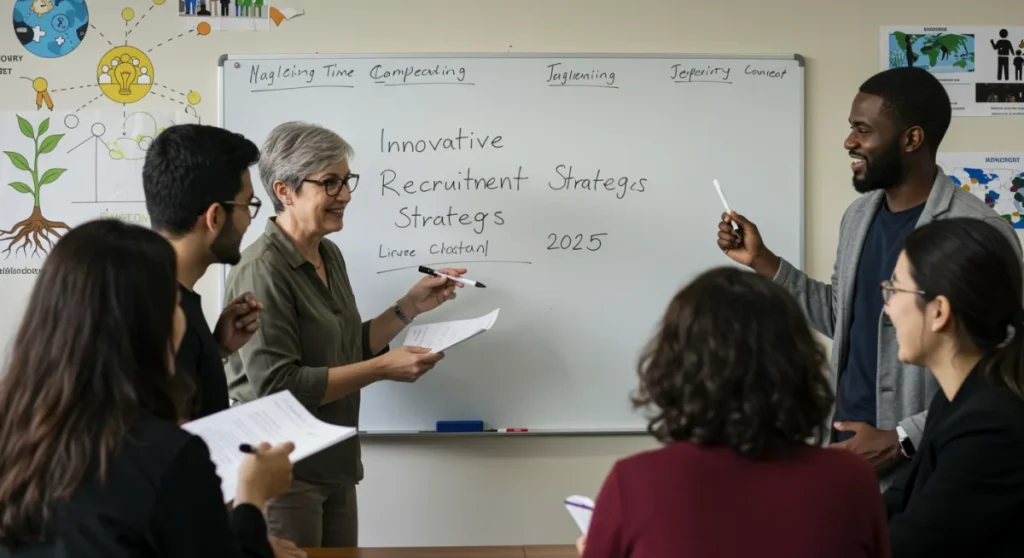
Addressing teacher shortages: innovative recruitment strategies for U.S. schools in 2025 requires a multi-faceted approach focusing on competitive incentives, robust support systems, and proactive talent pipeline development.
The landscape of education in the United States is constantly evolving, yet one challenge remains stubbornly persistent: the shortage of qualified teachers. As we look towards 2025, the need for effective strategies for addressing teacher shortages: innovative recruitment strategies for U.S. schools in 2025 becomes not just important, but critical. This article delves into the creative and practical approaches schools can adopt to attract and retain the best educators, ensuring a brighter future for students across the nation.
Understanding the Scope of the Teacher Shortage Crisis
Before diving into solutions, it is crucial to grasp the depth and breadth of the teacher shortage problem in the U.S. This isn’t a uniform crisis affecting all districts equally; rather, it manifests differently across urban, suburban, and rural areas, and disproportionately impacts certain subject areas like special education, STEM, and foreign languages. The reasons are complex, ranging from declining enrollment in teacher preparation programs to teacher burnout and insufficient compensation.
The impact of these shortages is profound, leading to increased class sizes, reliance on underqualified substitutes, and a diminished quality of education for countless students. Without a stable and well-supported teaching force, the foundational pillars of our educational system begin to crumble. A clear understanding of these underlying issues is the first step toward developing truly effective and sustainable recruitment strategies.
Geographic and Subject-Specific Disparities
The teacher shortage often presents itself as a mosaic of localized challenges. Rural districts, for instance, frequently struggle to attract candidates due to geographical isolation and lower pay scales, while urban areas may face high turnover rates due to demanding environments. Specific subjects consistently report higher vacancy rates, creating critical gaps in student learning opportunities. Recognizing these nuances allows for targeted interventions rather than blanket solutions.
- Rural school challenges: Limited housing, fewer social opportunities, and lower salaries.
- Urban school challenges: High student needs, large class sizes, and administrative burden.
- High-need subjects: Special education, science, mathematics, and world languages.
- Impact on students: Reduced access to specialized instruction and experienced educators.
Ultimately, a comprehensive strategy for addressing teacher shortages: innovative recruitment strategies for U.S. schools in 2025 must acknowledge these varied pressures. It requires a commitment to data-driven analysis to pinpoint where the needs are greatest and to tailor solutions accordingly. This foundational understanding sets the stage for the innovative approaches discussed in subsequent sections.
Rethinking Compensation and Benefits for Educators
One of the most persistent barriers to attracting and retaining teachers is often compensation. While a passion for education drives many, financial stability is a universal need. Innovative recruitment strategies in 2025 must move beyond traditional salary scales and explore creative ways to make the teaching profession financially viable and attractive. This includes not only direct salary increases but also a robust package of benefits and incentives that address the holistic needs of educators.
Competitive salaries are just one piece of the puzzle. Schools and districts need to consider comprehensive benefits packages that include affordable health insurance, retirement plans, and even housing assistance in high-cost-of-living areas. These elements significantly enhance the overall value proposition of a teaching career. Furthermore, differentiating pay based on high-need subjects or hard-to-staff schools can incentivize teachers to fill critical gaps.
Performance-Based Pay and Incentives
While controversial in some circles, performance-based pay models are being explored as a way to reward highly effective teachers and incentivize growth. These models often link a portion of a teacher’s salary to student achievement, peer evaluations, or professional development milestones. When implemented fairly and transparently, such systems can recognize excellence and motivate continuous improvement, making the profession more appealing to ambitious individuals.
- Student achievement metrics: Linking pay to student growth or standardized test scores.
- Professional development: Incentives for acquiring advanced degrees or certifications.
- Leadership roles: Additional pay for mentoring, curriculum development, or department head positions.
- Retention bonuses: Rewards for teachers who commit to staying in high-need schools for extended periods.
Beyond monetary compensation, non-monetary benefits also play a crucial role. This can include childcare support, tuition reimbursement for advanced degrees, or even access to wellness programs. By crafting a truly holistic compensation and benefits package, schools can significantly strengthen their efforts in addressing teacher shortages: innovative recruitment strategies for U.S. schools in 2025, making teaching a more financially attractive and sustainable career choice.
Developing Robust Teacher Pipeline Programs
Proactive talent development is key to long-term success in combating teacher shortages. Rather than solely reacting to vacancies, schools and districts must invest in building strong teacher pipelines that identify, nurture, and prepare future educators. This involves collaborating with universities, creating grow-your-own programs, and establishing clear pathways for aspiring teachers from diverse backgrounds. These initiatives foster a sense of community and commitment even before a teacher enters the classroom.
Grow-your-own programs are particularly effective, allowing districts to cultivate talent from within their own communities. This approach often involves partnering with local high schools or community colleges to identify students interested in education and provide them with support, scholarships, and mentorship. By investing in local talent, schools can create a more stable and regionally connected workforce, reducing turnover and increasing cultural responsiveness.
Partnerships with Higher Education Institutions
Strong collaborations with colleges and universities are essential for ensuring a steady supply of well-prepared teachers. These partnerships can include joint recruitment events, internship opportunities, and curriculum alignment to meet the specific needs of local school districts. By working closely with teacher preparation programs, schools can influence the curriculum to ensure graduates possess the skills most in demand.
- Joint career fairs: Hosting events to connect students with local teaching opportunities.
- Student teaching placements: Providing high-quality mentorship and practical experience.
- Residency programs: Offering paid, year-long apprenticeships for aspiring teachers.
- Curriculum feedback: Collaborating on program design to address district-specific needs.
These pipeline programs are not just about filling immediate vacancies; they are about building a sustainable future for the teaching profession. By strategically investing in these initiatives, schools demonstrate a commitment to supporting educators from the very beginning of their journey, which is a vital component of addressing teacher shortages: innovative recruitment strategies for U.S. schools in 2025.
Enhancing Teacher Support and Professional Development
Recruitment is only half the battle; retention is equally, if not more, critical. Even the most innovative recruitment strategies will fail if new teachers are not adequately supported once they enter the classroom. A robust system of mentorship, ongoing professional development, and a positive school culture are essential for retaining educators and preventing burnout. This support needs to be tailored to teachers at different career stages, from novice to veteran.
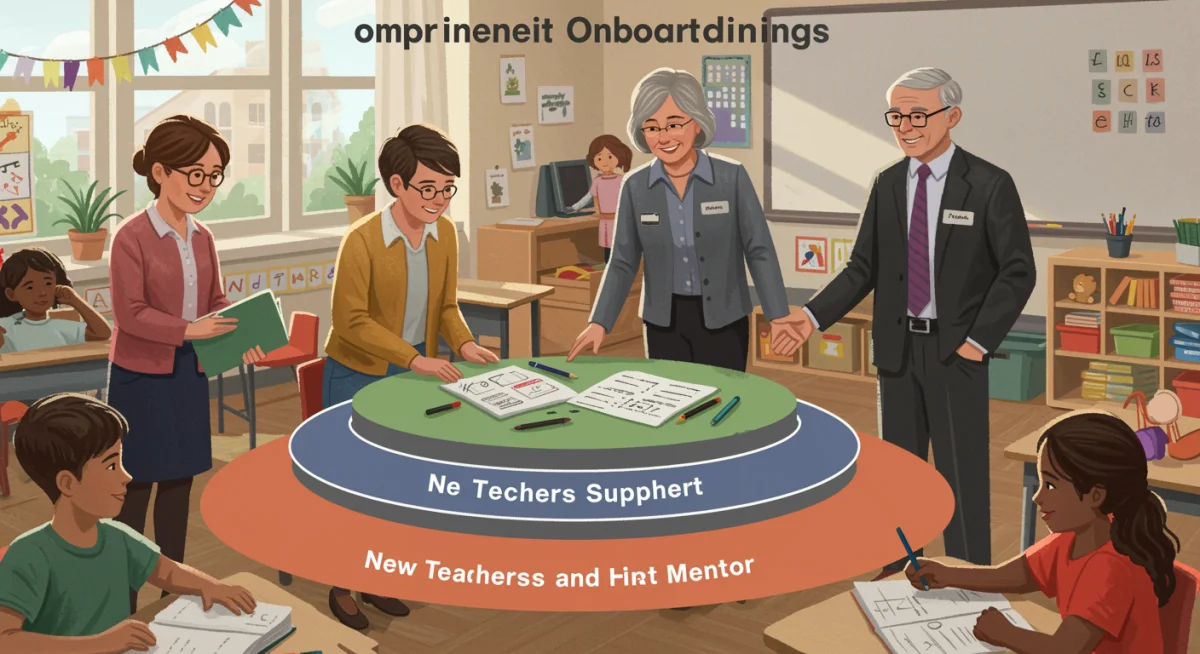
New teachers, in particular, benefit immensely from structured mentorship programs. Pairing experienced educators with new hires provides invaluable guidance, reduces feelings of isolation, and helps navigate the complexities of the profession. Beyond initial onboarding, continuous professional learning opportunities ensure teachers stay current with best practices, integrate new technologies, and develop specialized skills, fostering a sense of growth and commitment.
Mentorship and Induction Programs
Effective mentorship programs go beyond a simple pairing; they involve regular check-ins, collaborative planning, and targeted feedback. A well-designed induction program can significantly improve retention rates for first-year teachers. These programs should address both pedagogical skills and the emotional challenges of entering the profession, creating a supportive community for new educators.
- Structured mentorship: Regular meetings, goal setting, and reciprocal learning.
- Peer coaching: Opportunities for teachers to observe and learn from one another.
- Professional learning communities: Collaborative groups focused on improving instructional practices.
- Wellness initiatives: Programs addressing teacher stress and mental health.
By prioritizing comprehensive support and continuous professional growth, schools can cultivate an environment where teachers feel valued, competent, and committed. This investment in their well-being and development is a powerful strategy for addressing teacher shortages: innovative recruitment strategies for U.S. schools in 2025, ensuring that talented educators choose to stay and thrive in the profession.
Leveraging Technology for Recruitment and Training
In 2025, technology offers unprecedented opportunities to streamline and enhance teacher recruitment and training efforts. From sophisticated online platforms for talent acquisition to virtual reality for classroom simulations, digital tools can make the process more efficient, accessible, and engaging. Embracing these technological advancements is vital for schools aiming to stay competitive in the talent market.
Online job boards and social media campaigns can extend the reach of recruitment efforts far beyond local boundaries, attracting a wider pool of diverse candidates. AI-powered tools can help match candidates with appropriate vacancies based on skills and preferences, making the application process smoother for both applicants and hiring managers. Furthermore, virtual career fairs and online information sessions can connect potential candidates with school representatives without geographical limitations.
Virtual Reality and AI in Teacher Preparation
Emerging technologies like virtual reality (VR) and artificial intelligence (AI) are beginning to transform teacher preparation. VR simulations can provide aspiring teachers with immersive experiences in diverse classroom settings, allowing them to practice instructional strategies and classroom management techniques in a low-stakes environment. AI can offer personalized feedback on teaching practices and help identify areas for improvement.
- VR classroom simulations: Practicing lesson delivery and student interaction.
- AI-powered feedback: Analyzing teaching videos for constructive criticism.
- Online professional development: Accessible and flexible learning modules for busy educators.
- Digital portfolio creation: Showcasing teaching skills and achievements to potential employers.
The strategic integration of technology into recruitment and training not only modernizes the process but also appeals to a new generation of tech-savvy educators. This forward-thinking approach is indispensable for addressing teacher shortages: innovative recruitment strategies for U.S. schools in 2025, ensuring that schools are equipped to attract and prepare the workforce of tomorrow.
Promoting Diversity and Inclusivity in the Teaching Workforce
A diverse teaching force is not only a moral imperative but also an educational advantage. Research consistently shows that students benefit from having teachers who reflect their own backgrounds and experiences. Innovative recruitment strategies for 2025 must prioritize efforts to attract and retain teachers from underrepresented groups, including racial and ethnic minorities, individuals with disabilities, and those from diverse socioeconomic backgrounds. This commitment enriches the entire school community.
Achieving diversity requires intentional effort and systemic changes. This includes reviewing hiring practices to eliminate biases, actively recruiting from Historically Black Colleges and Universities (HBCUs) and other minority-serving institutions, and creating supportive environments where diverse teachers feel valued and empowered. It also means challenging existing stereotypes about who can and should be a teacher.
Targeted Recruitment and Support for Diverse Candidates
Targeted recruitment campaigns can specifically reach out to diverse communities and highlight the unique benefits of teaching. Scholarships and financial aid programs designed for minority candidates can alleviate financial barriers to entering the profession. Once hired, culturally responsive mentorship and affinity groups can provide a sense of belonging and support, helping to improve retention rates among diverse educators.
- Partnerships with HBCUs: Establishing direct recruitment pipelines.
- Culturally responsive mentorship: Connecting new teachers with experienced mentors from similar backgrounds.
- Affinity groups: Providing spaces for diverse educators to connect and share experiences.
- Bias training: Educating hiring committees on unconscious biases in the selection process.
By fostering a truly diverse and inclusive teaching workforce, schools can better serve their student populations and create a more equitable educational system. This focus on diversity is a cornerstone of effective strategies for addressing teacher shortages: innovative recruitment strategies for U.S. schools in 2025, building a stronger and more representative educational landscape for all.
| Key Strategy | Brief Description |
|---|---|
| Rethink Compensation | Implement competitive salaries, robust benefits, and performance incentives to attract top talent. |
| Develop Pipelines | Create ‘grow-your-own’ programs and university partnerships to cultivate future educators. |
| Enhance Teacher Support | Provide strong mentorship, professional development, and a positive school culture for retention. |
| Leverage Technology | Utilize digital platforms, AI, and VR for efficient recruitment and modern training methods. |
Frequently Asked Questions
Teacher shortages stem from various factors, including declining enrollment in teacher preparation programs, insufficient compensation, challenging working conditions, and high rates of burnout. These issues contribute to fewer new teachers entering the profession and experienced educators leaving prematurely.
Schools can enhance appeal through competitive salaries, comprehensive benefits, and strong professional support systems. Creating a positive school culture, offering opportunities for career advancement, and reducing administrative burdens also significantly improve job satisfaction and attraction.
‘Grow-your-own’ programs are crucial for cultivating local talent. They identify aspiring educators within the community, provide them with mentorship and financial support, and create clear pathways into teaching, fostering loyalty and addressing specific district needs effectively.
Technology can streamline recruitment via online platforms, AI matching, and virtual career fairs. It also modernizes training with VR simulations and AI-powered feedback, making the process more efficient, accessible, and appealing to tech-savvy candidates.
A diverse teaching workforce benefits all students by providing varied perspectives and role models. It helps create an inclusive learning environment and can improve academic outcomes, particularly for students from underrepresented backgrounds, fostering a more equitable education system.
Conclusion
The challenge of addressing teacher shortages: innovative recruitment strategies for U.S. schools in 2025 demands a multifaceted, proactive, and deeply committed approach. By rethinking compensation, developing robust talent pipelines, enhancing teacher support, leveraging technology, and prioritizing diversity, schools can transform the educational landscape. These strategies are not merely about filling vacancies; they are about investing in the future of our children and ensuring that every student has access to a high-quality education delivered by dedicated and well-supported professionals. The path forward requires collaboration, creativity, and a steadfast belief in the power of an inspiring teaching force.
